

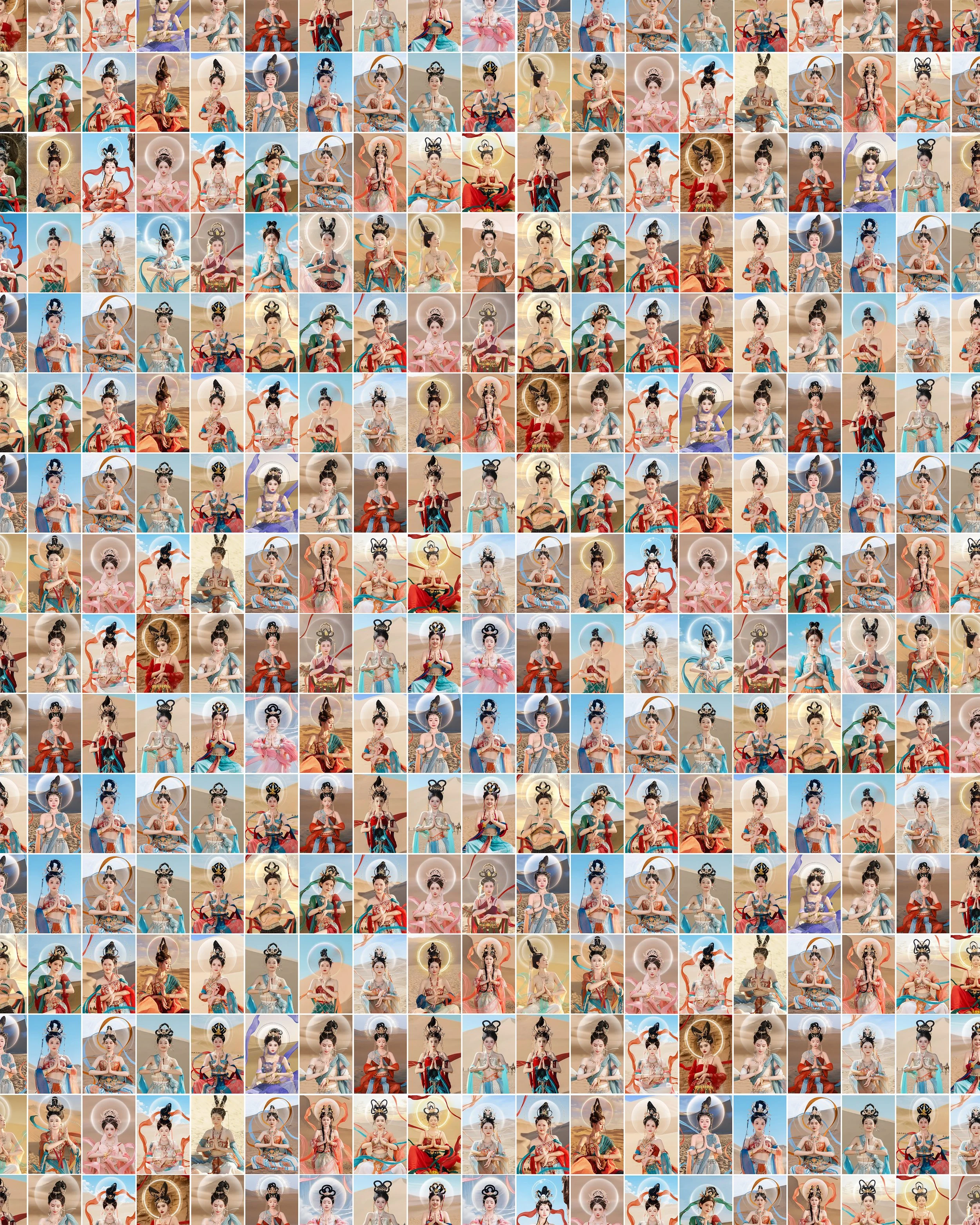
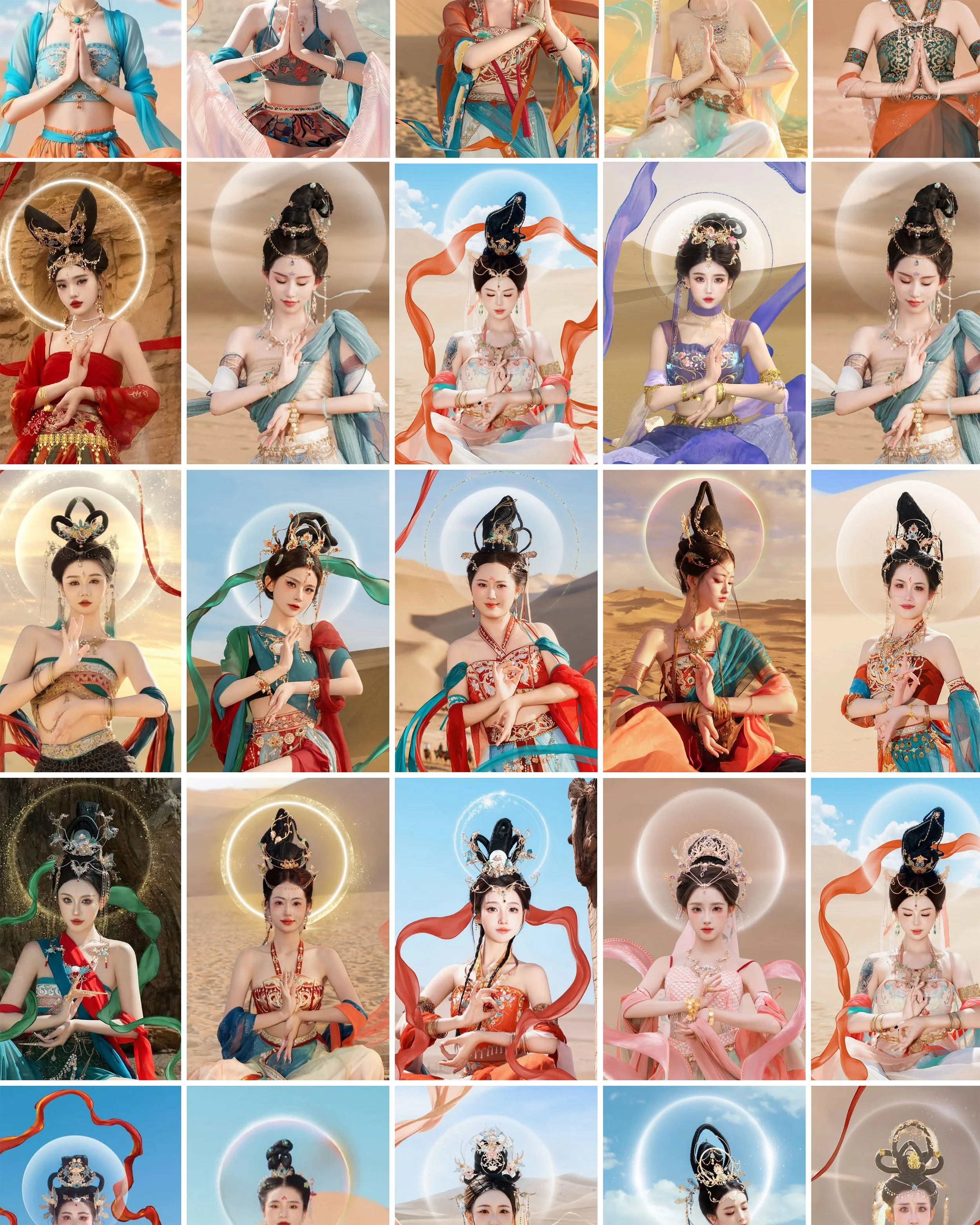
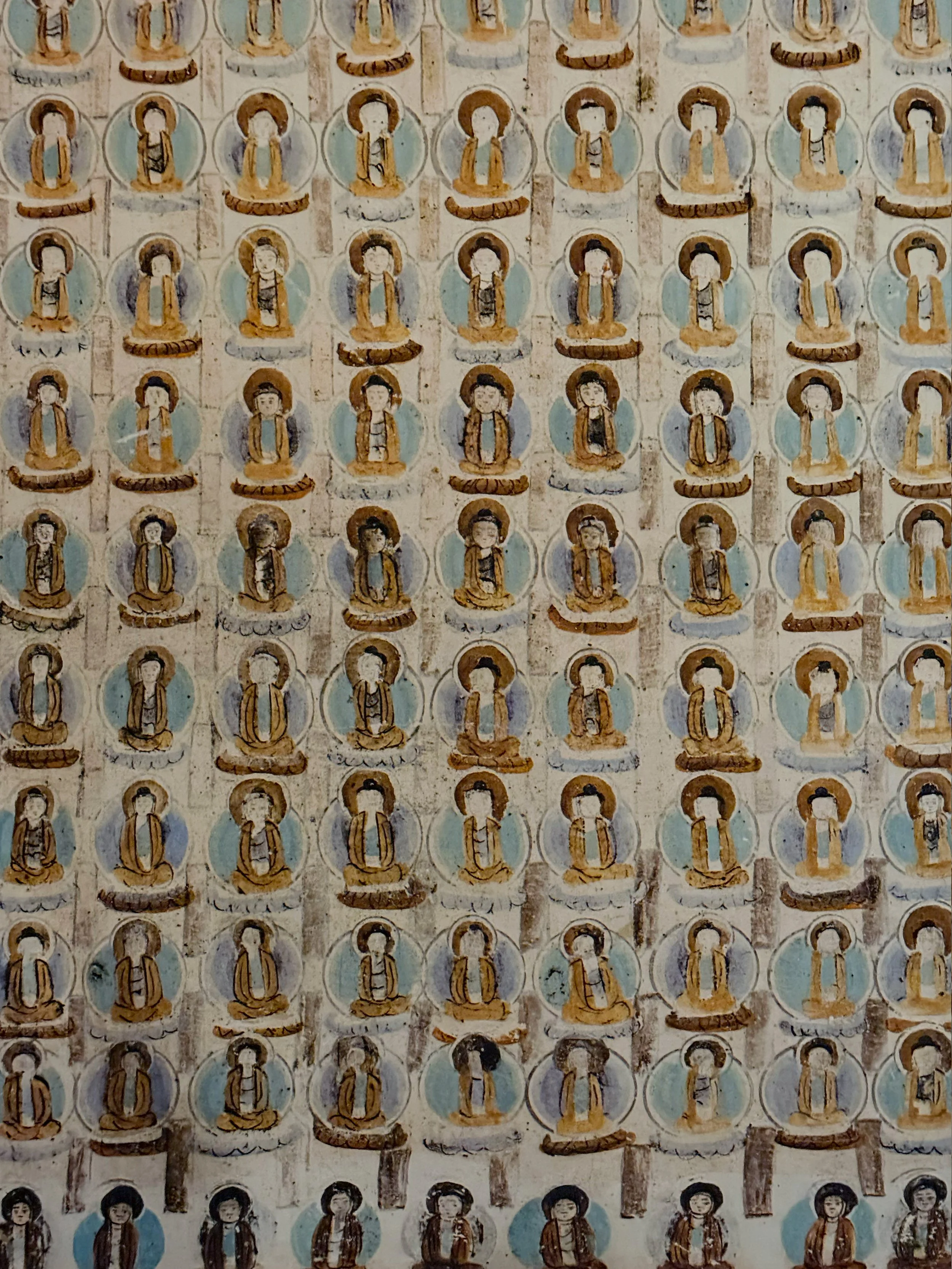
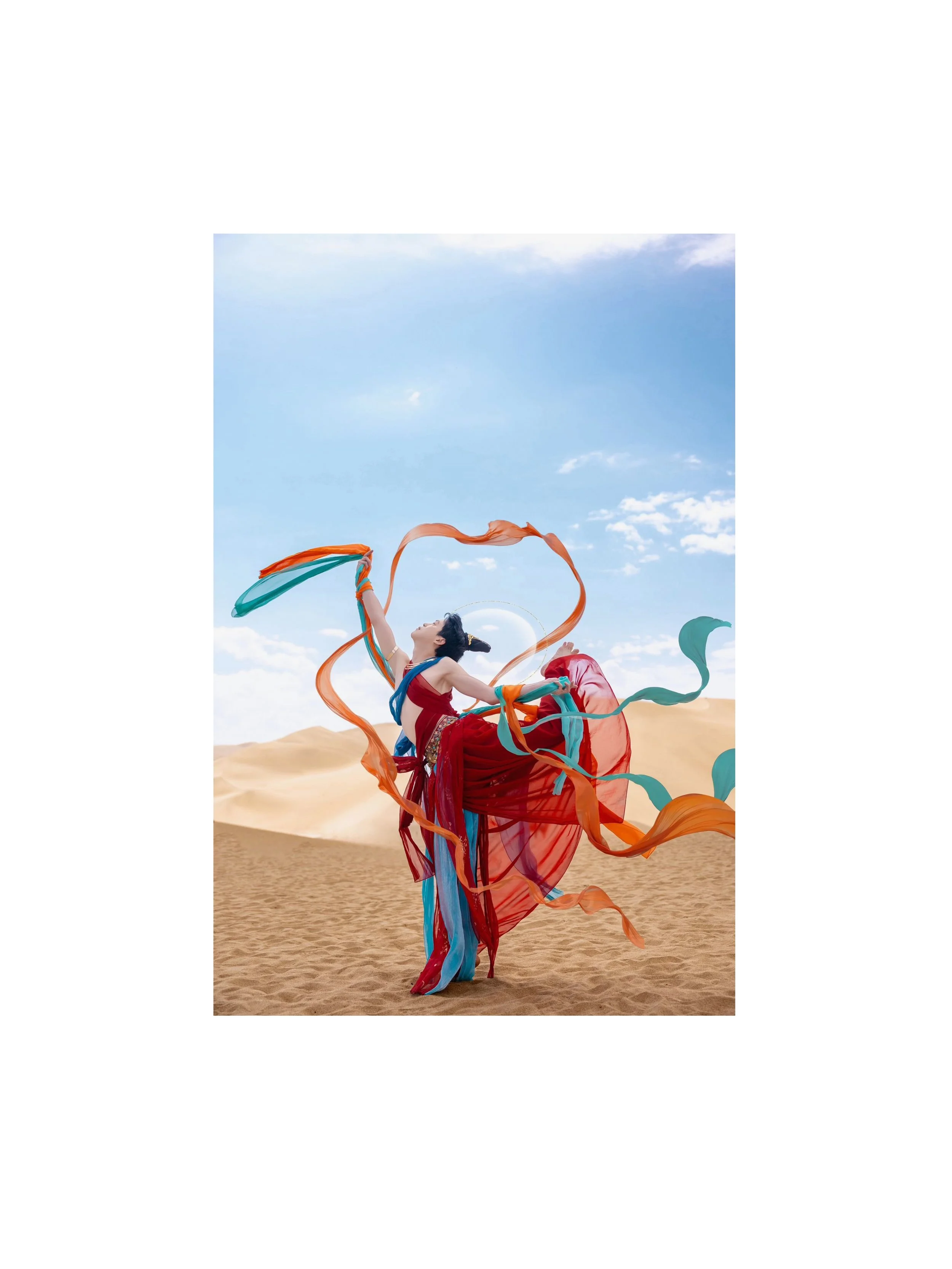
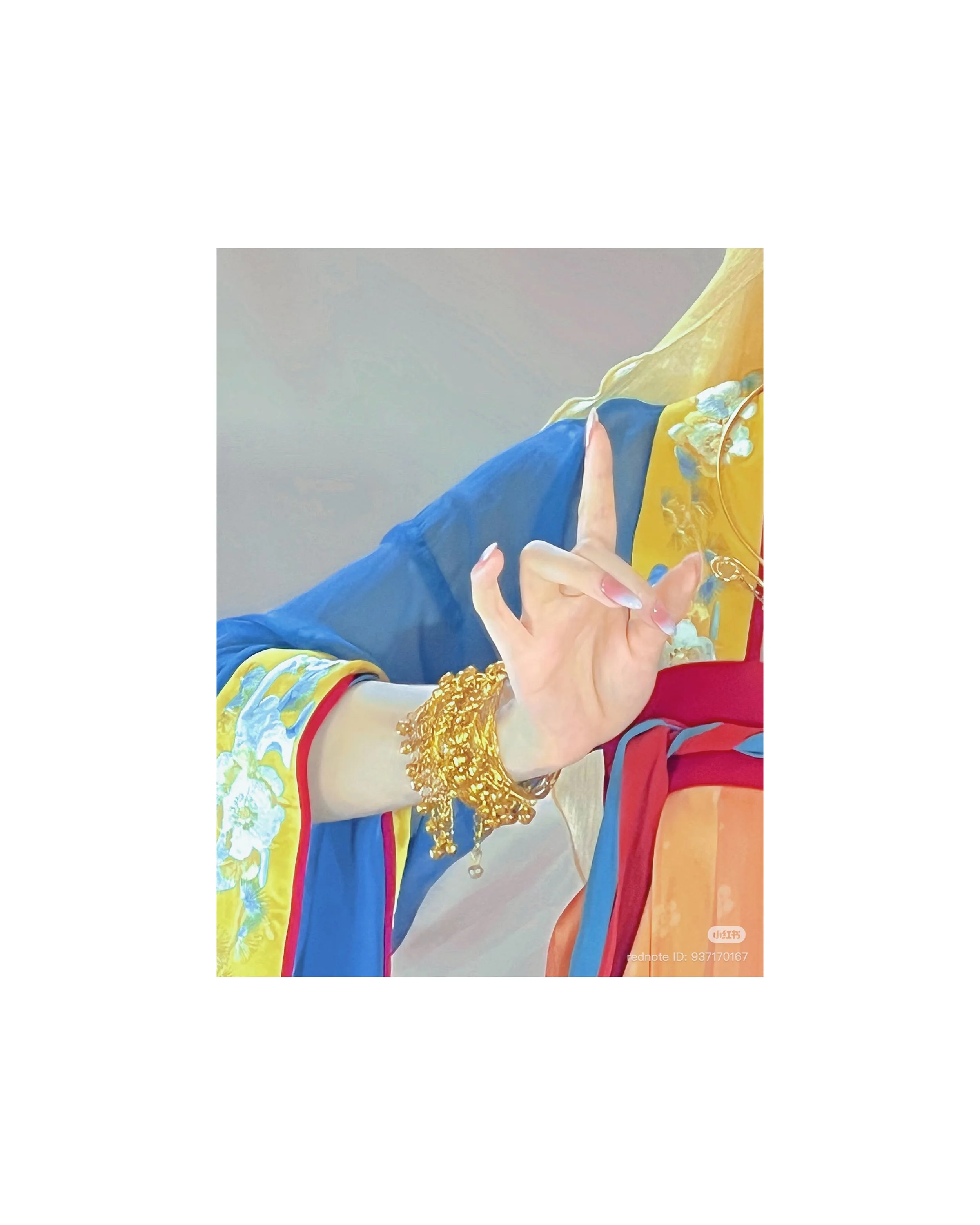


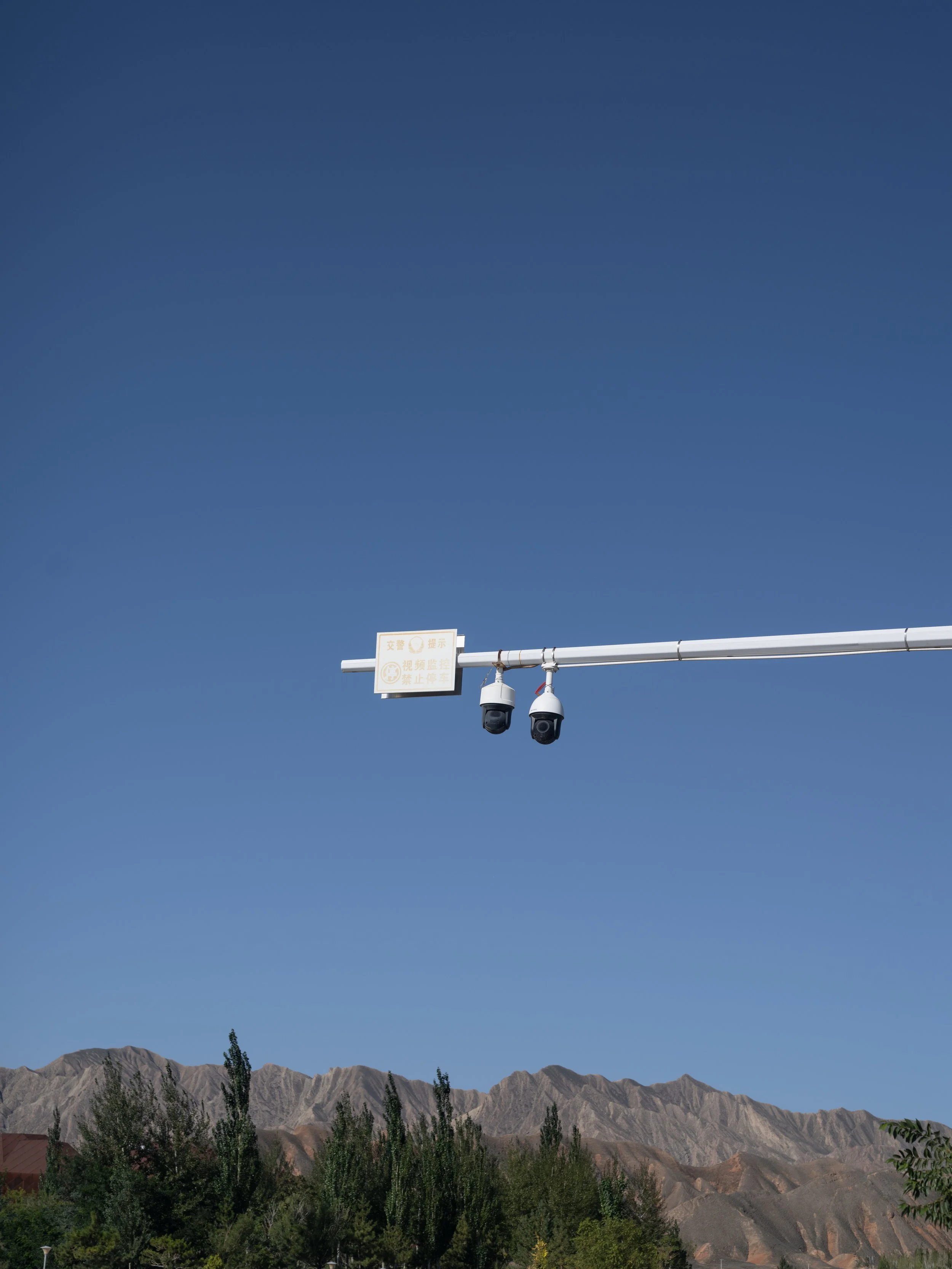
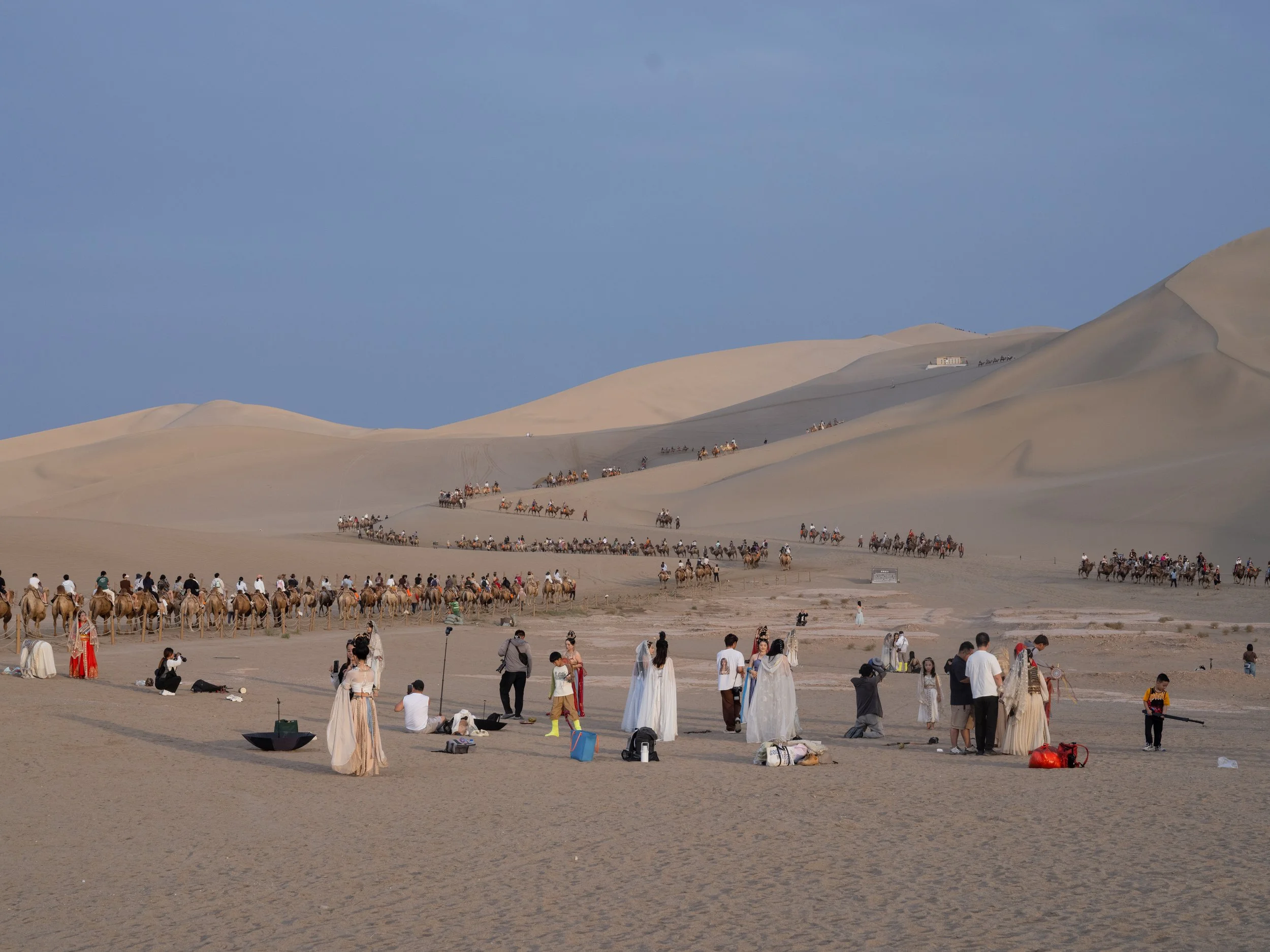
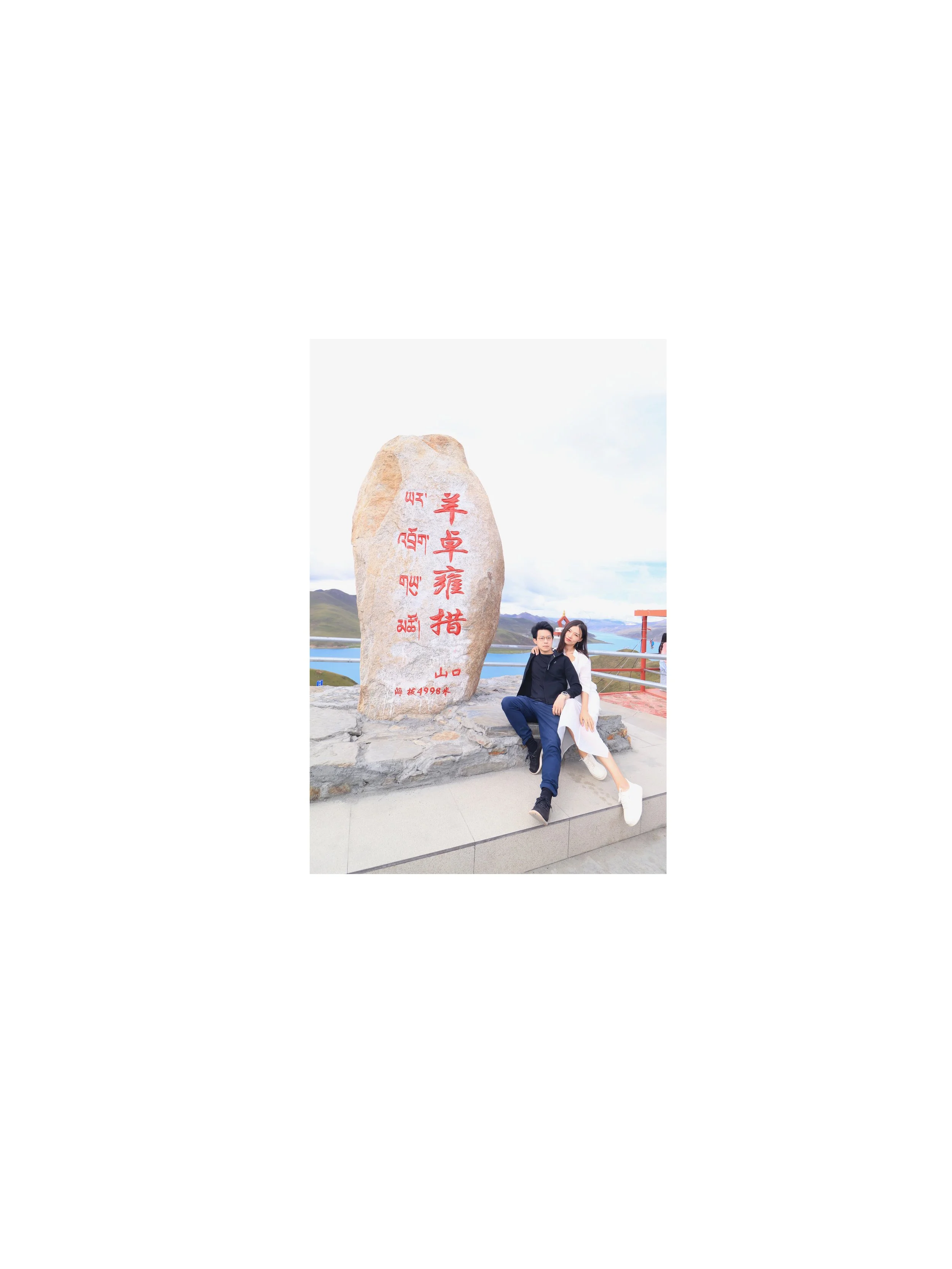
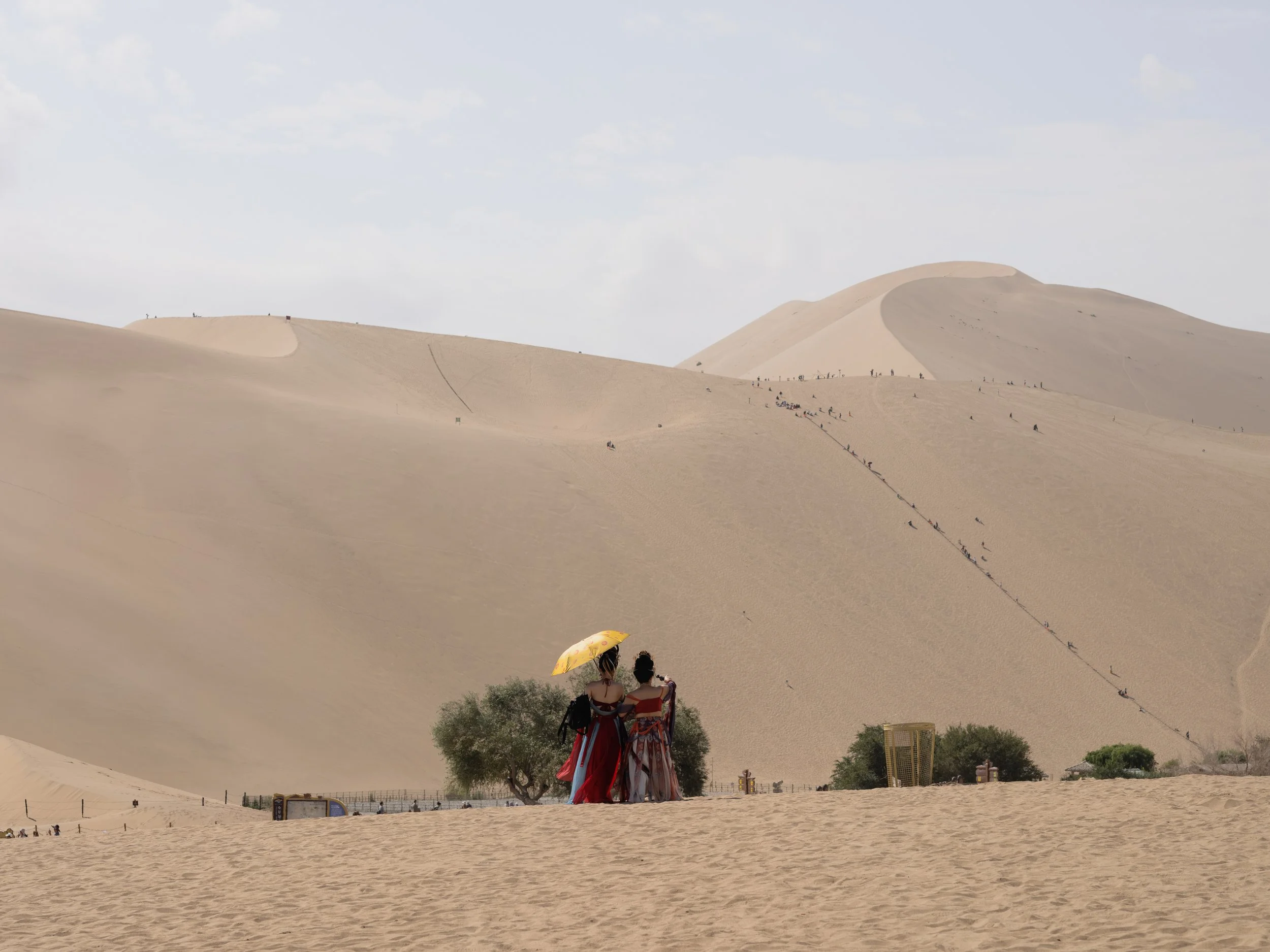
Secular Devotion (2025) examines the ritualized practices of 打卡 ("check-in") photo culture across China, where choreographed poses and algorithmic aesthetics transform public spaces into stages for collective performance. The work explores how contemporary desires are translated into repeatable visual languages through tourism, photography, and social media, revealing the devotion inherent in performing for the camera in the digital age.
The first half presents images produced by the industry, with myself performing poses directed by hired photographers. The second combines photographs and video made by me, documenting the systems, labor, and infrastructures that produce these images. Together, the two perspectives reveal both the performance and the machinery behind contemporary image culture.
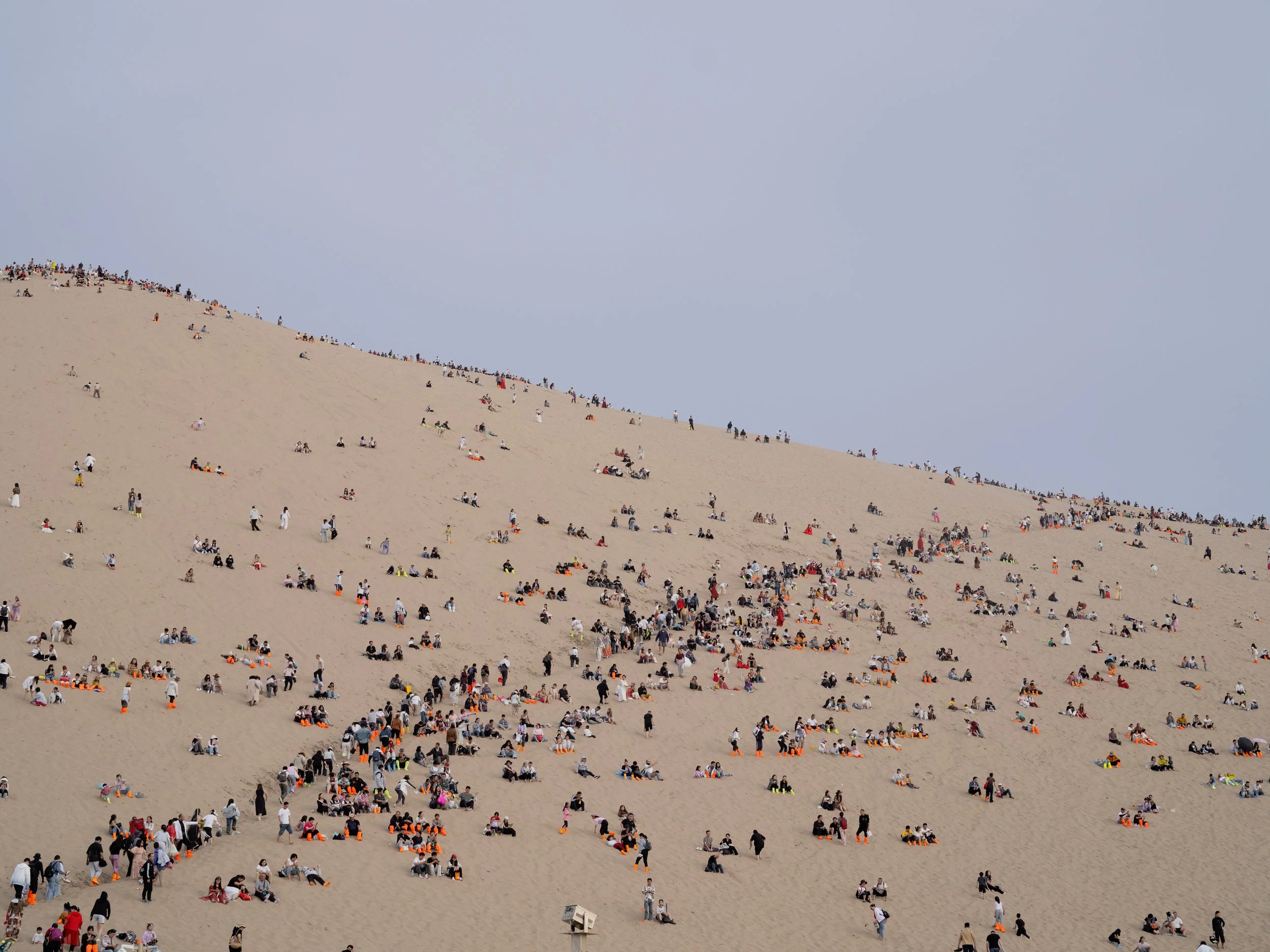
在中國的旅遊景點,數百人排隊,重複同樣的姿勢,拍攝同樣的照片。腳本化的動作在景觀中不斷重現,由攝影師口頭指導,並受到演算法美學的塑造,每一張影像都在網路上重複千百次。攝影成為一種舞臺化的實踐,自我透過姿態、動作與重複被建構——由日益成長的影像產業指導和優化,面向無形的觀眾。
曾經指向神聖的虔誠,如今轉化為為鏡頭與演算法重複上演的表演,一種世俗的虔誠。
—
《世俗虔誠》(2025)探討中國的打卡攝影文化,在這裡,精心設計的姿勢與演算法美學將公共空間轉化為集體表演的舞台。該作品考察當代影像文化如何映射現代中國人對逃逸與可見性的集體幻想,同時揭示在數位時代中,為鏡頭與演算法表演所蘊含的虔誠。
1
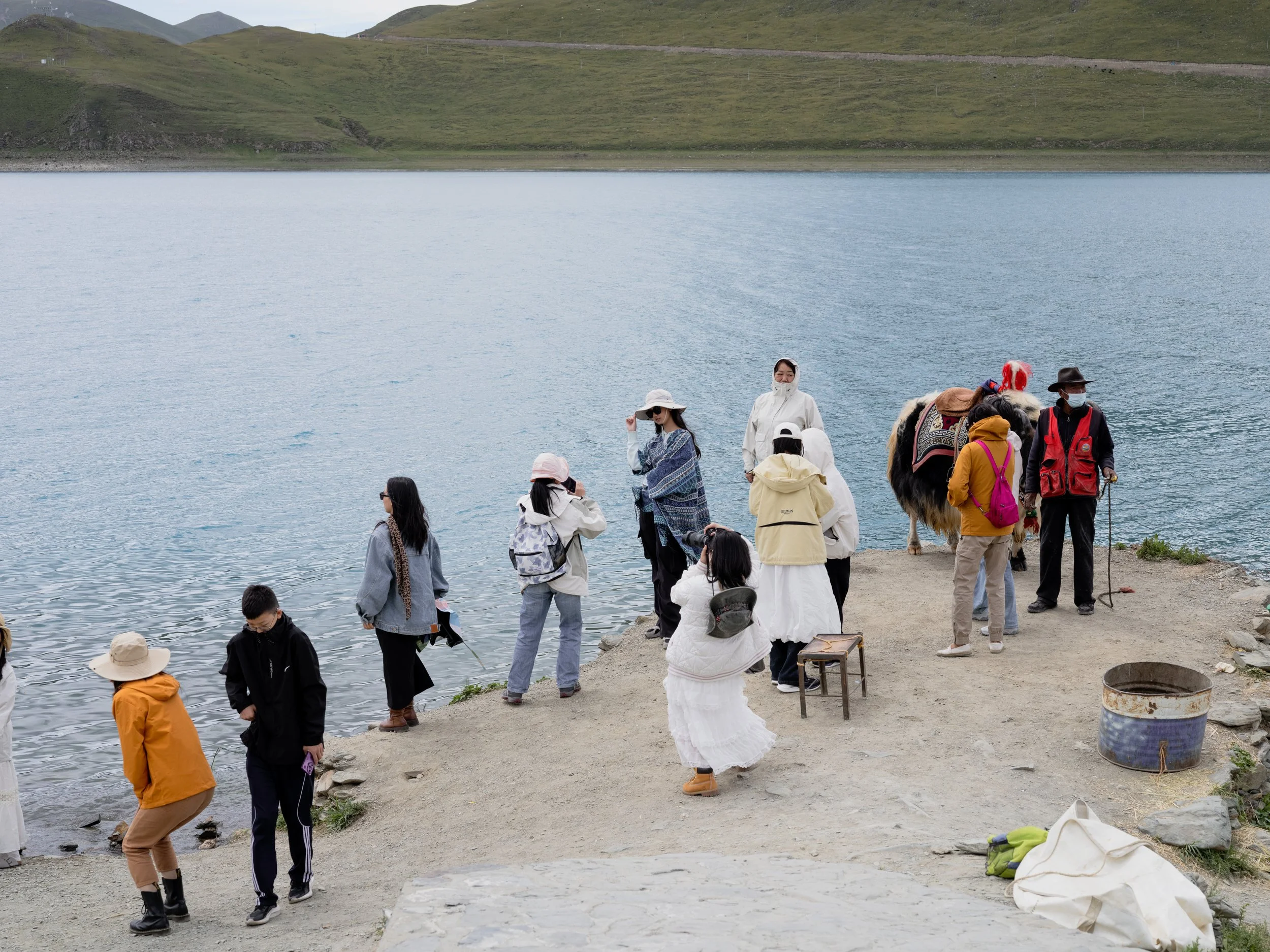
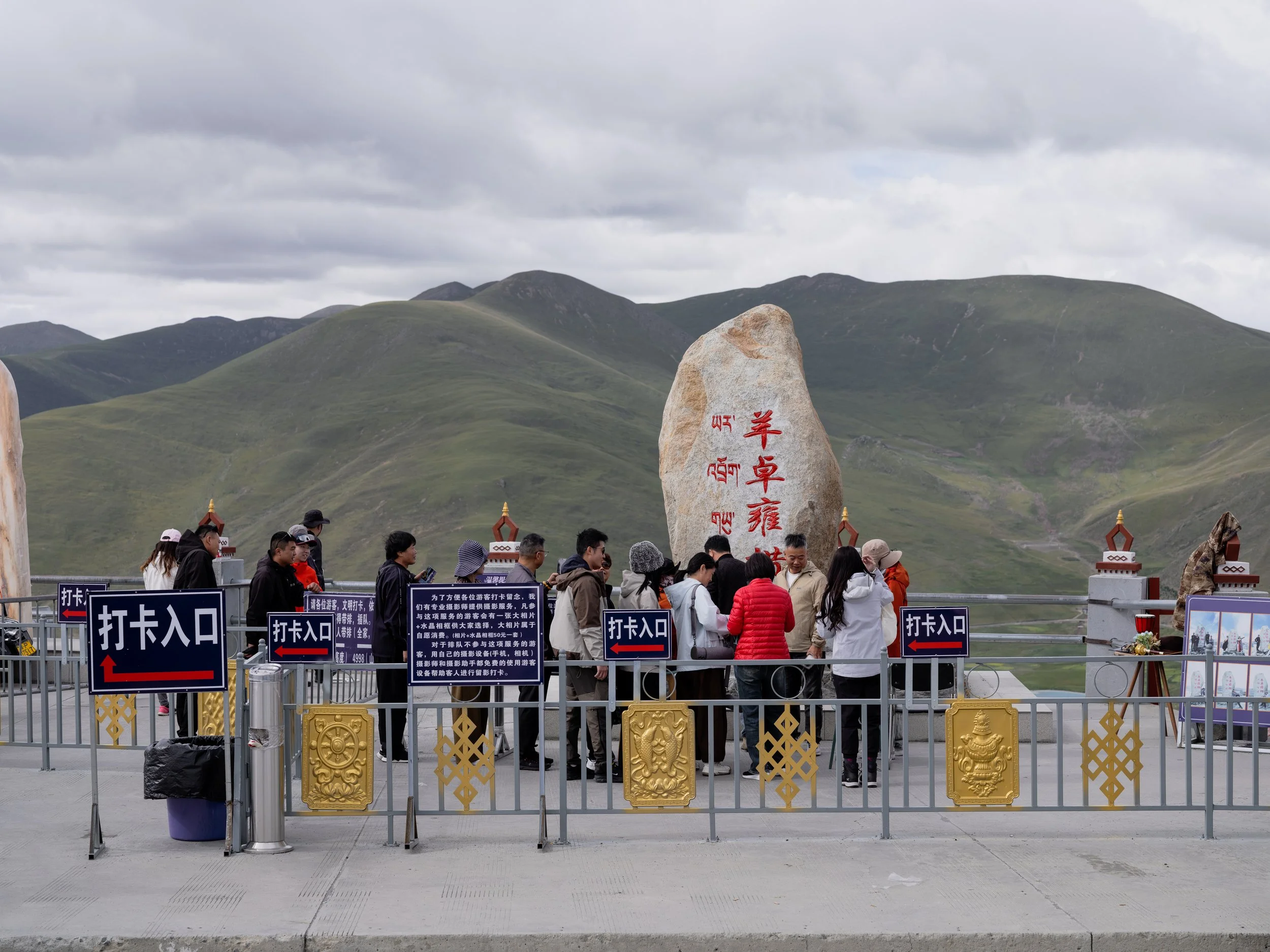
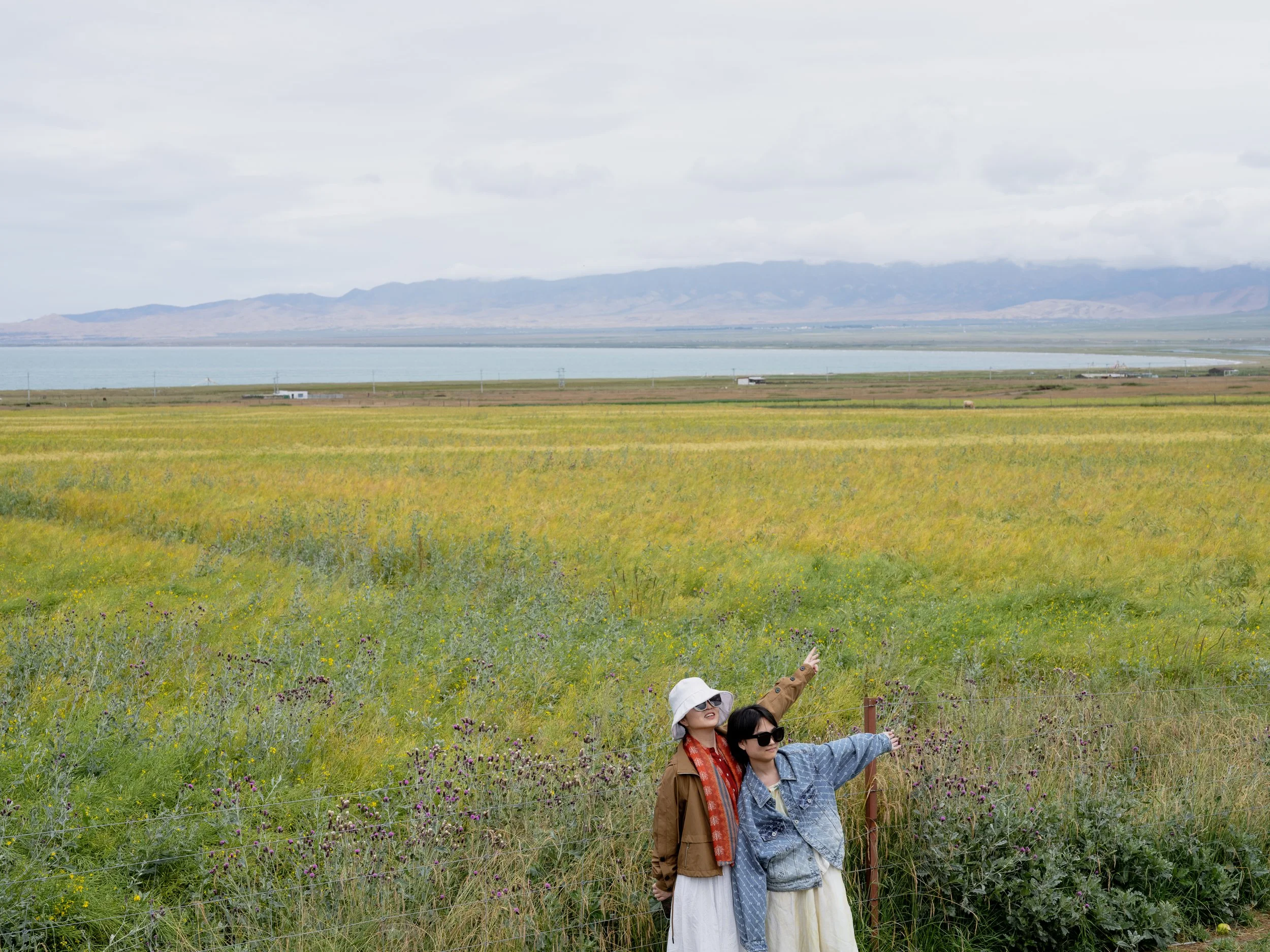
Across tourist sites in China, thousands of people line up to perform the same poses and take the same pictures. Scripted gestures shaped by algorithms repeat across the landscape, each image echoing thousands already circulating online. Photography becomes a collective ritual, where the self is constructed through posture, gesture, and repetition, then processed through filters and optimized for an invisible audience.
Devotion once directed to the sacred now unfolds as a performance for the algorithm: a secular devotion.
2
COLLECTIVE CHOREOGRAPHY
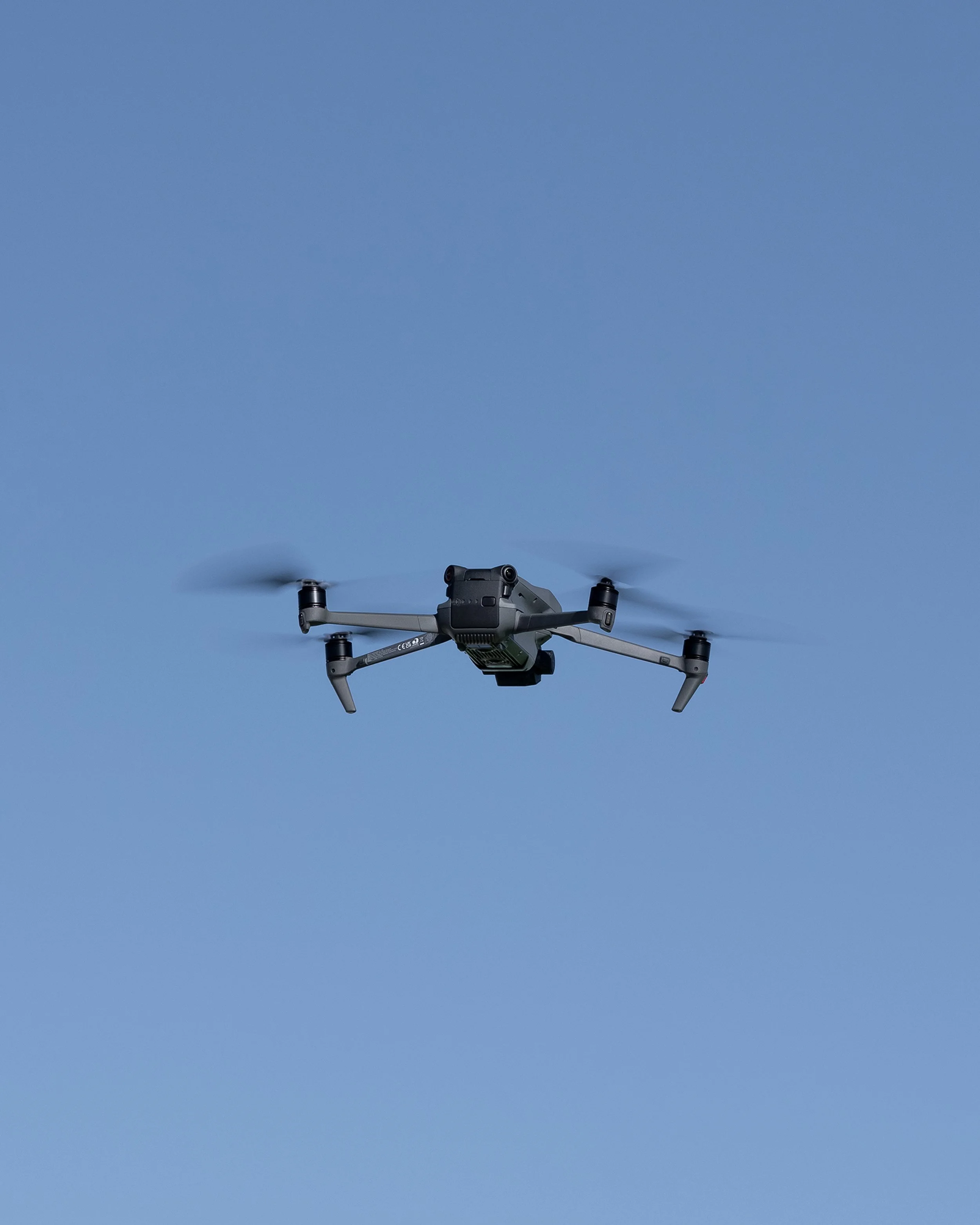
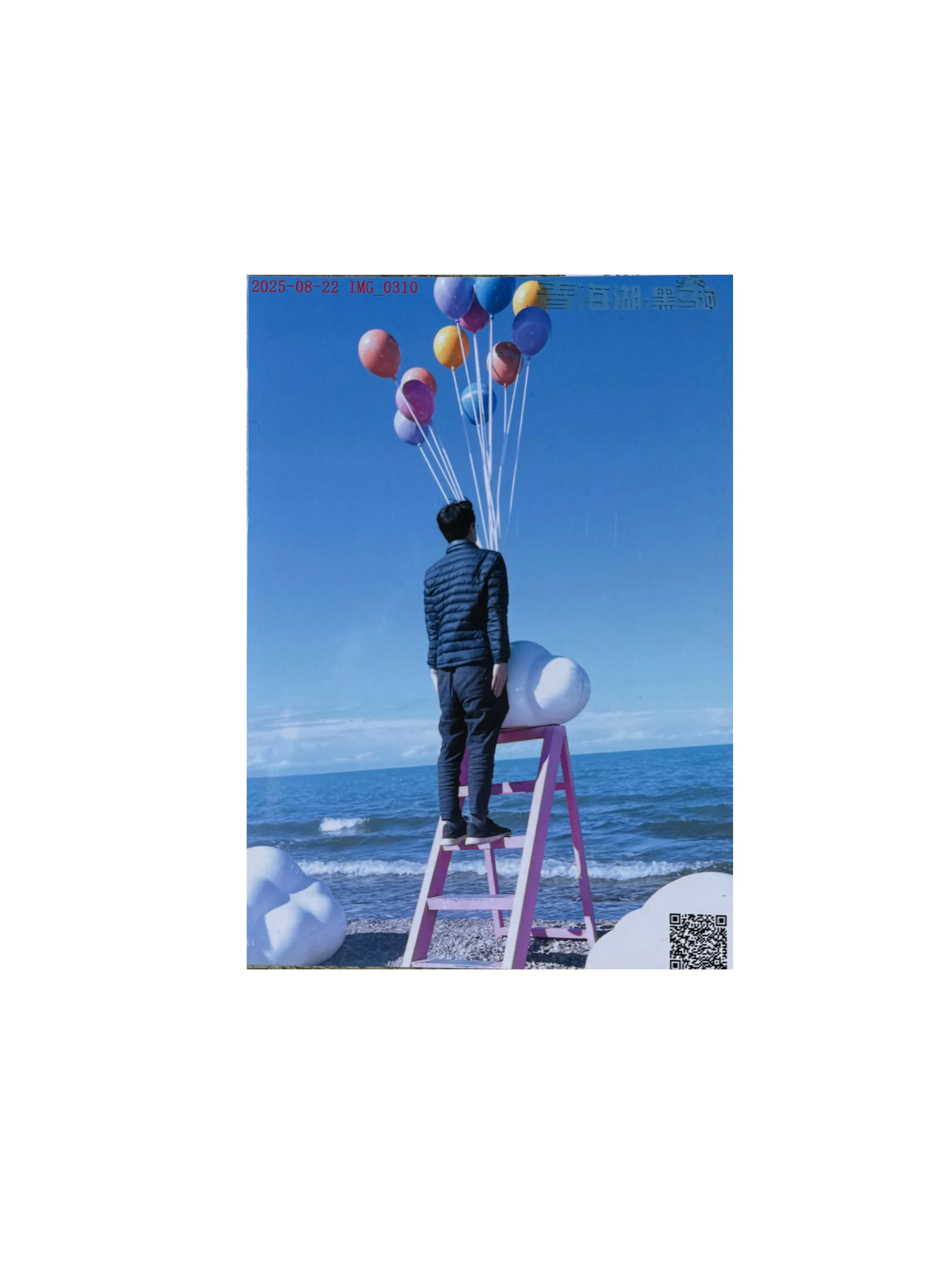
I asked a photographer on site to teach me the five most requested poses and proceeded to perform them. A drone films me from above as another staff member directs my movements. In under five minutes, the shoot is complete. The video is filtered, processed, and airdropped to my phone for 300 yuan. Watching me perform poses typically done by female customers, the photographer jokes that I’m “socially dead.”
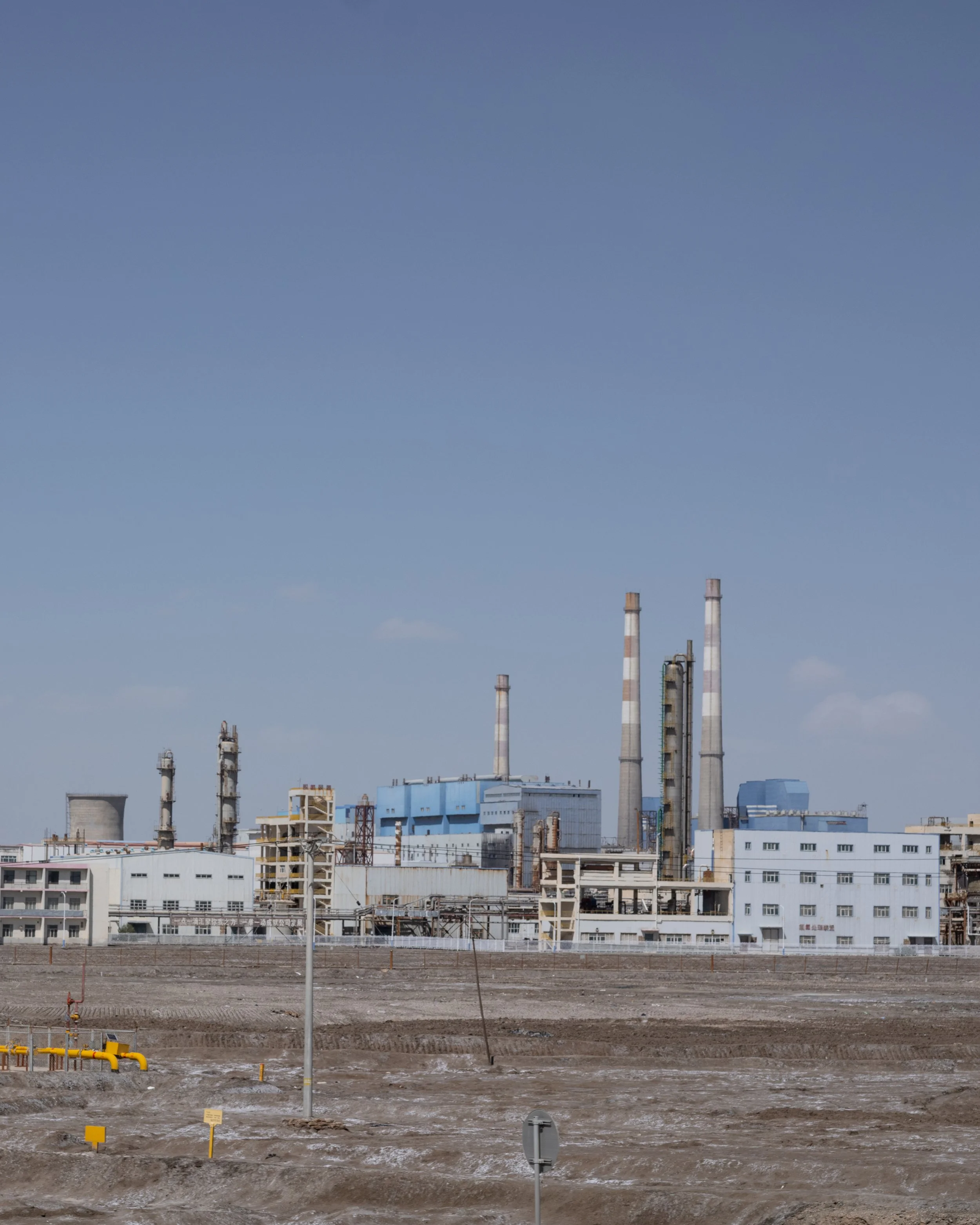
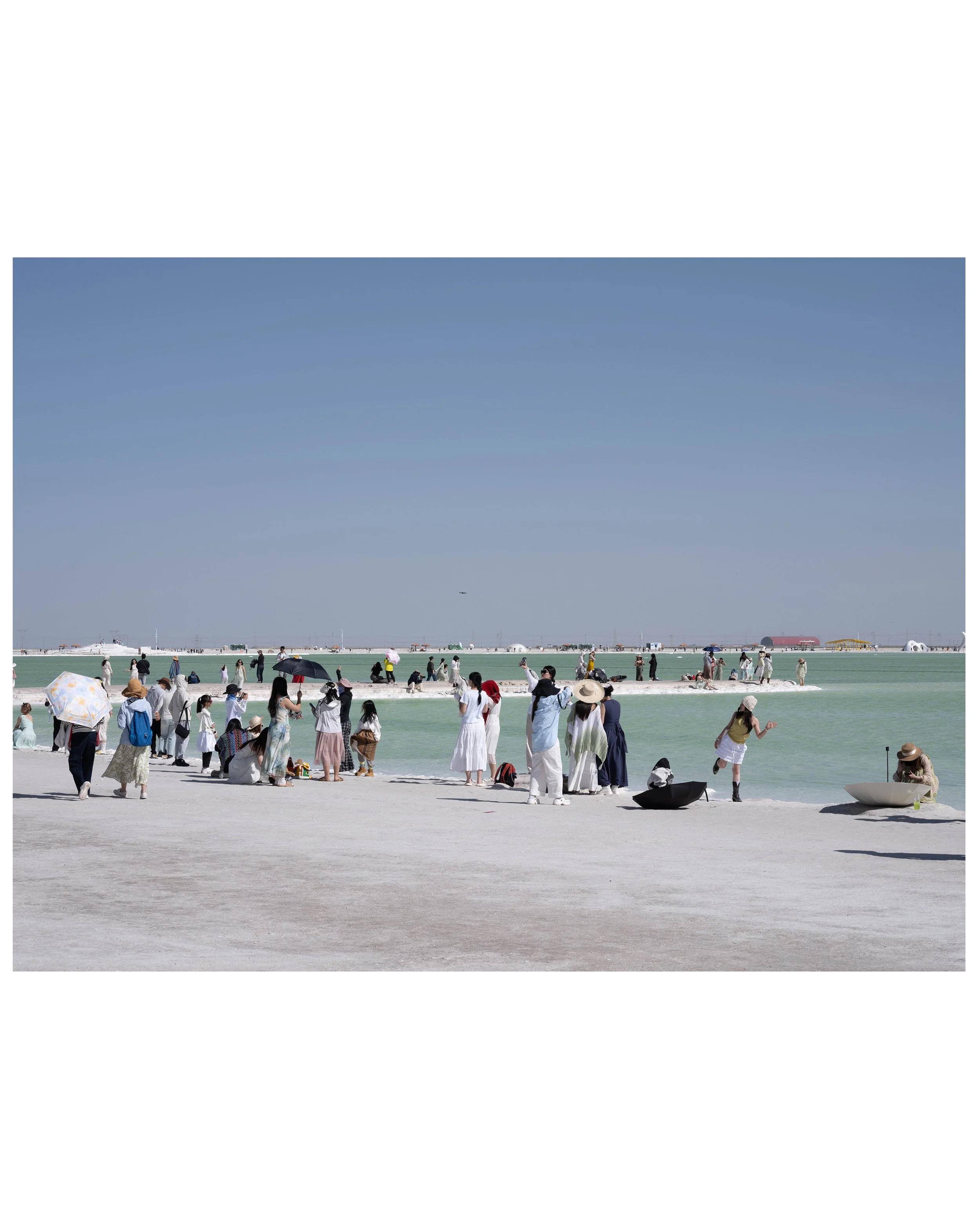
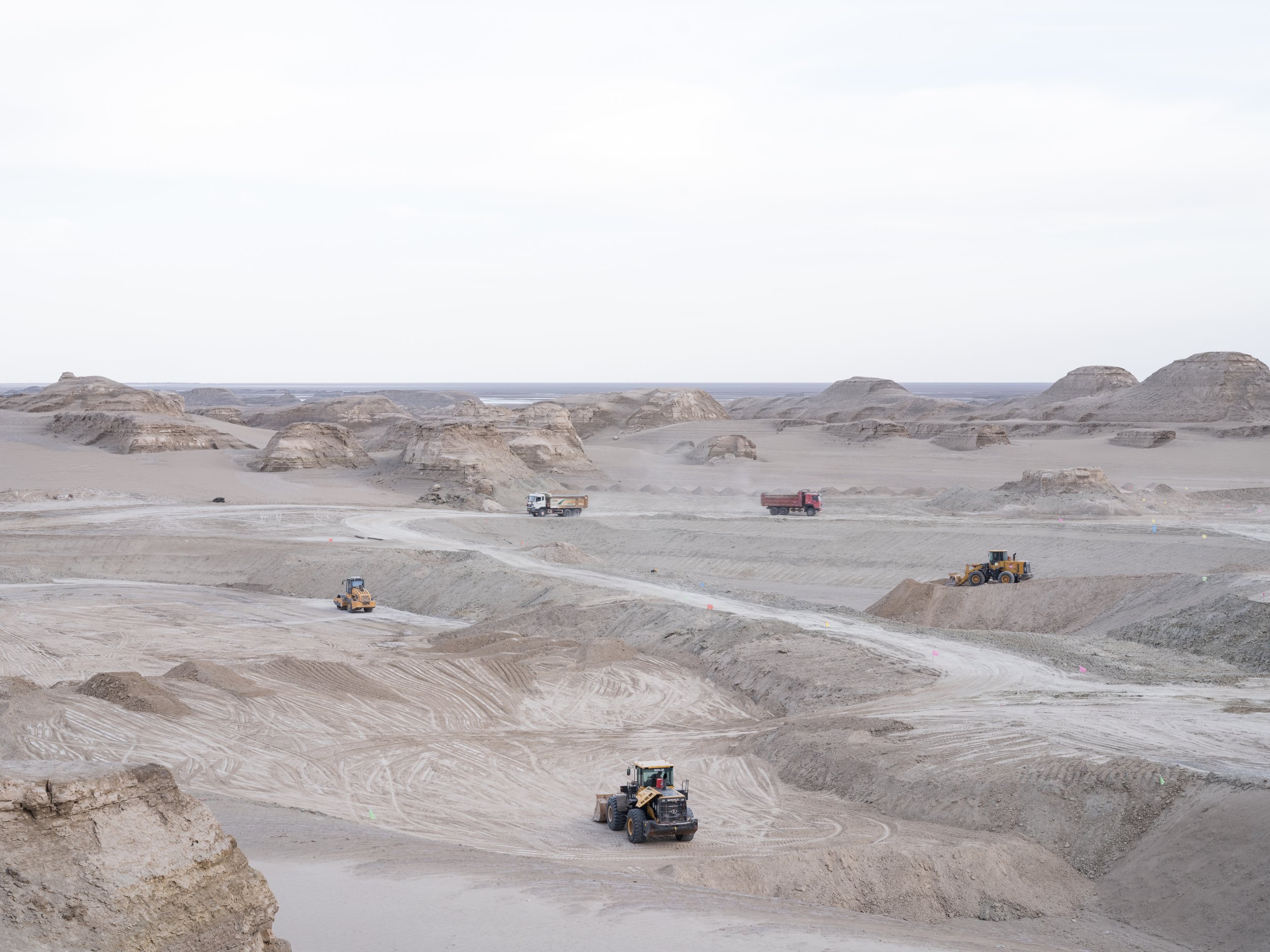
At Qarhan Salt Lake, much of the world’s lithium is extracted from beneath the ground to power modern life. Not far from the refineries and chemical plants, another kind of extraction unfolds: the production of images.
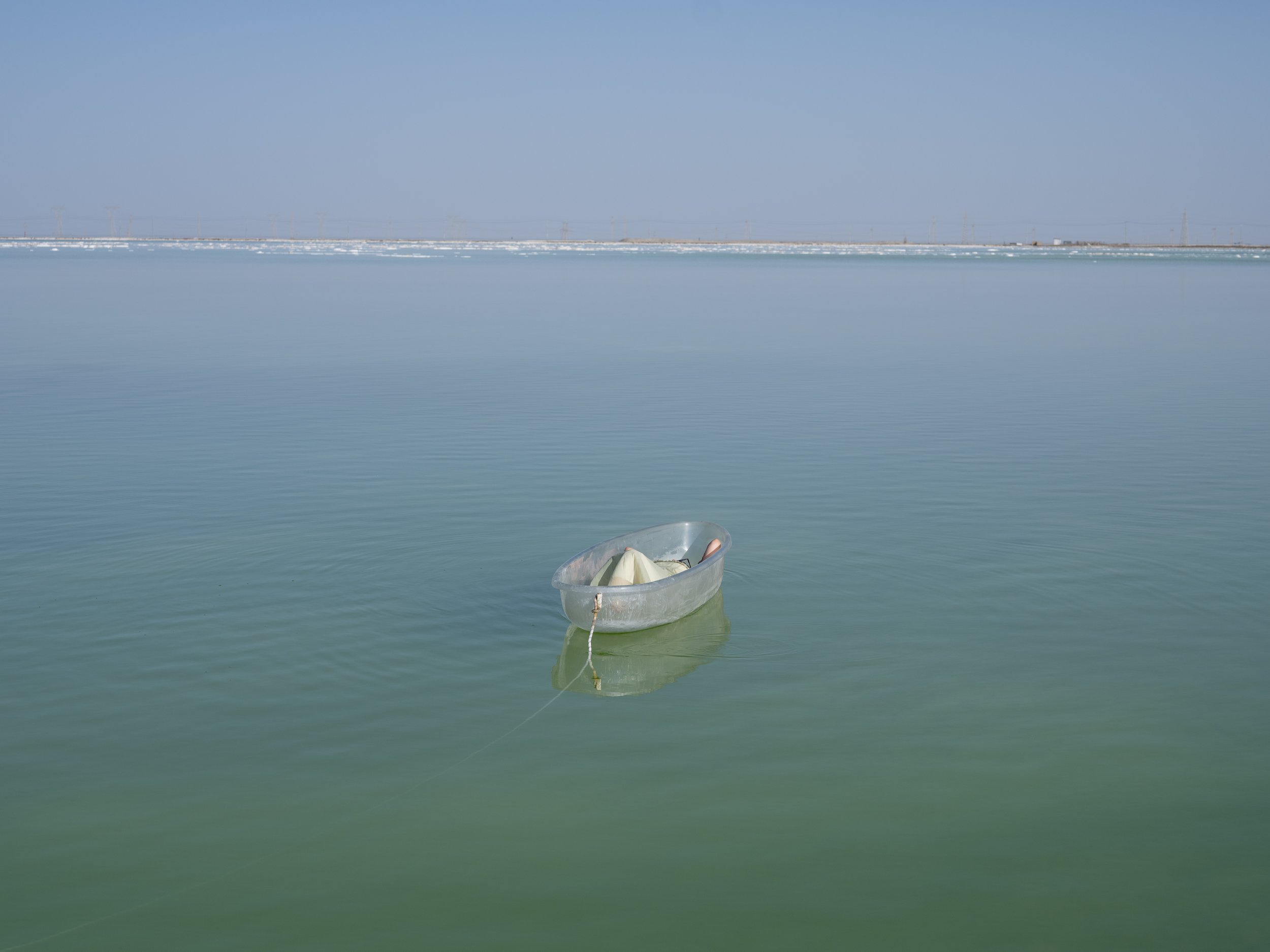
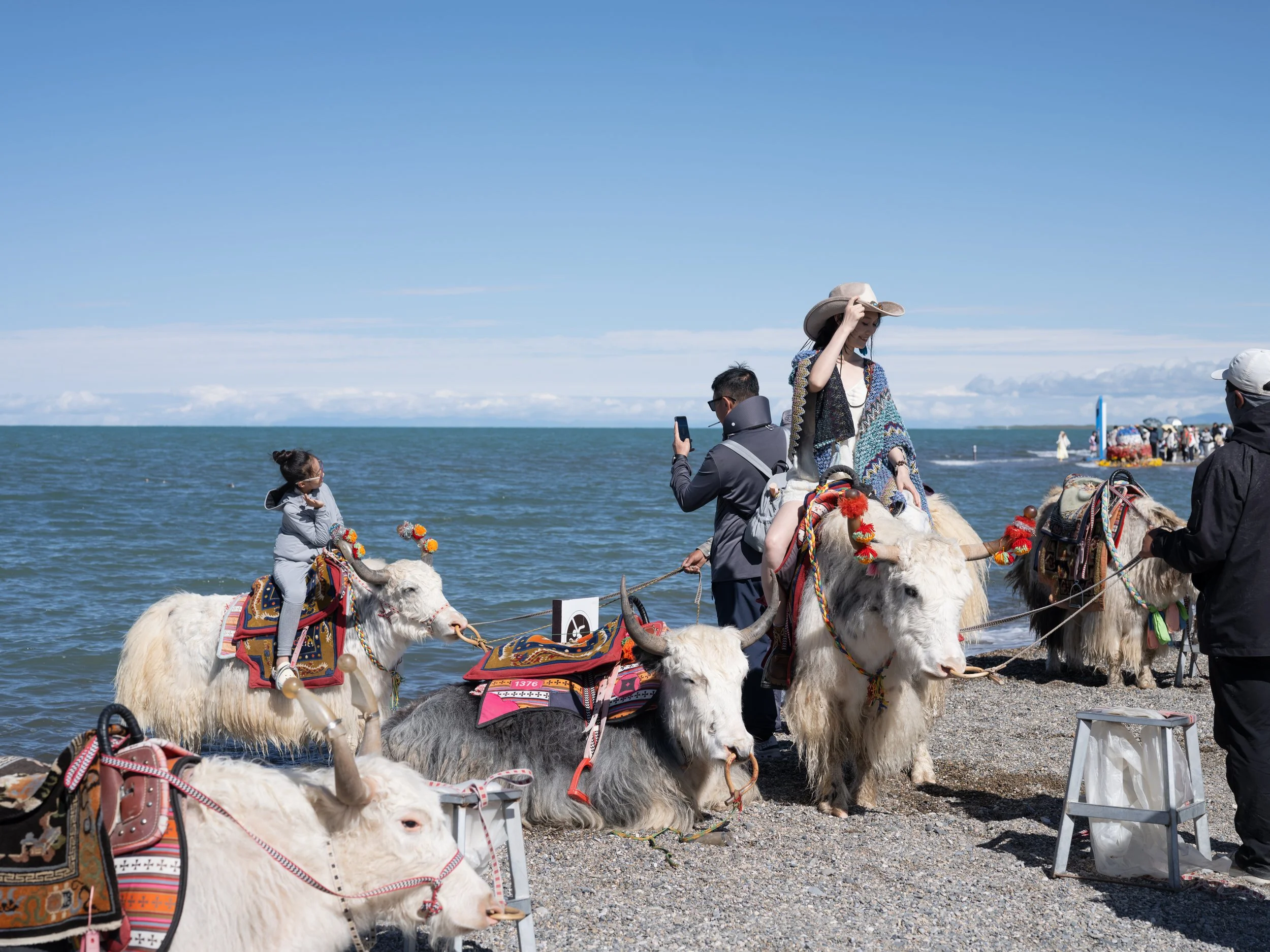
Every day, buses ferry thousands of tourists here to pose against the surreal landscape. The luminous green water create a backdrop resembling a tropical beach, though signs warn of toxicity and prohibit swimming.
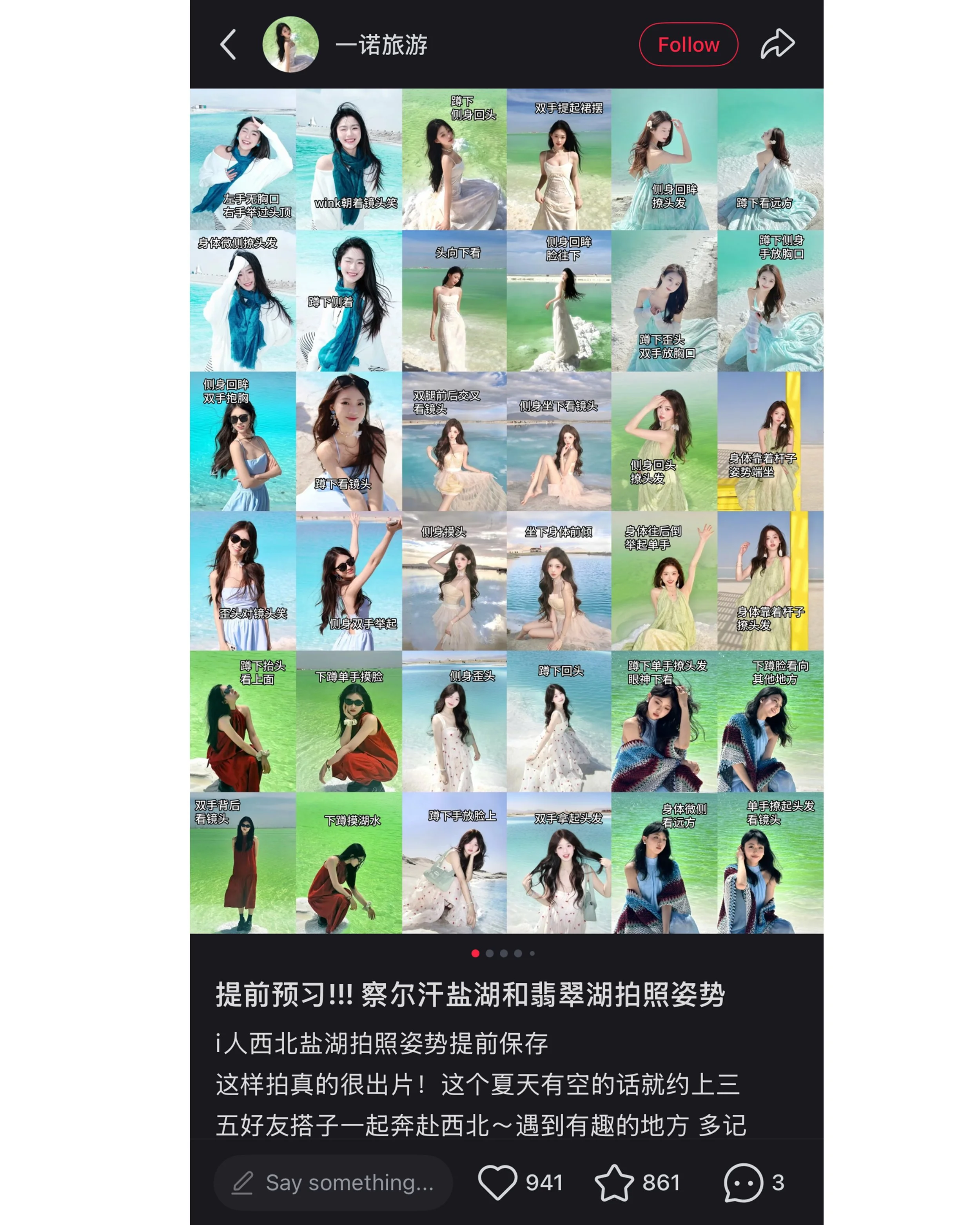
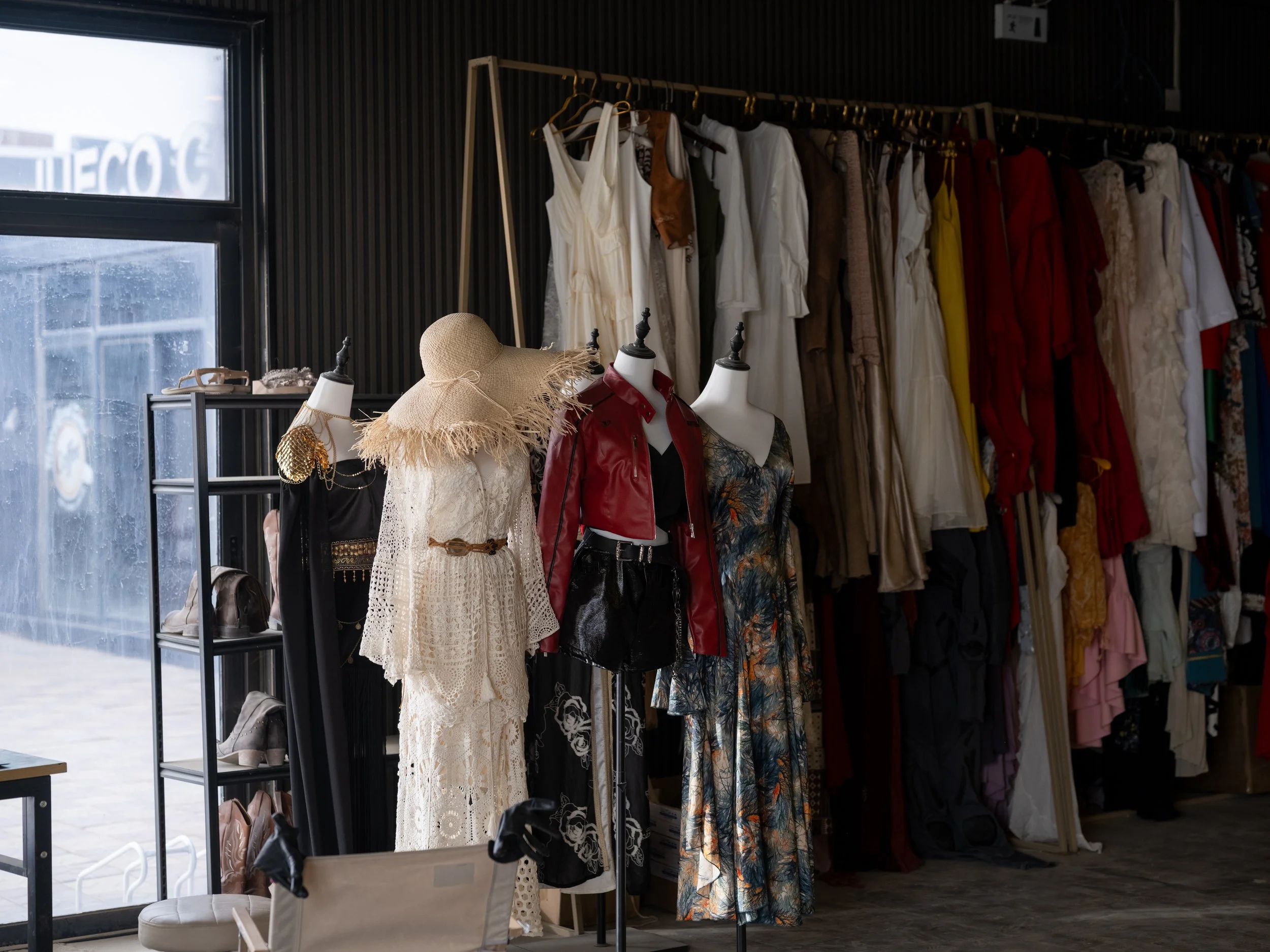
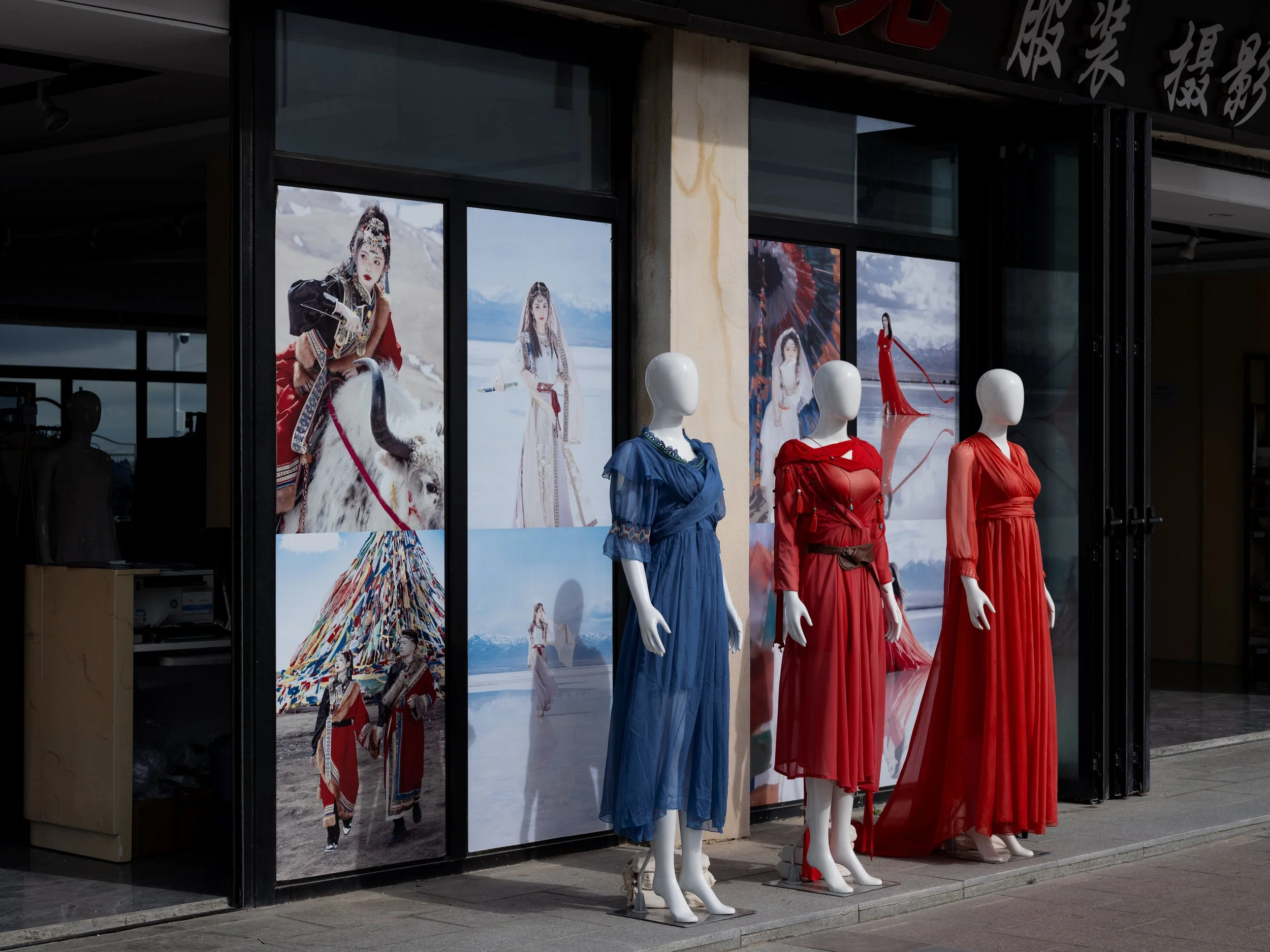
A new tourist park is built just for image-making with designated photo points, sculptural installations, and costume rental shops. On Xiaohongshu, users share tips on what to wear, turning the landscape into coordinated visual templates. Best angles, poses, and lighting are optimized for the phone. Everyone is now a photographer, especially the compliant boyfriends.
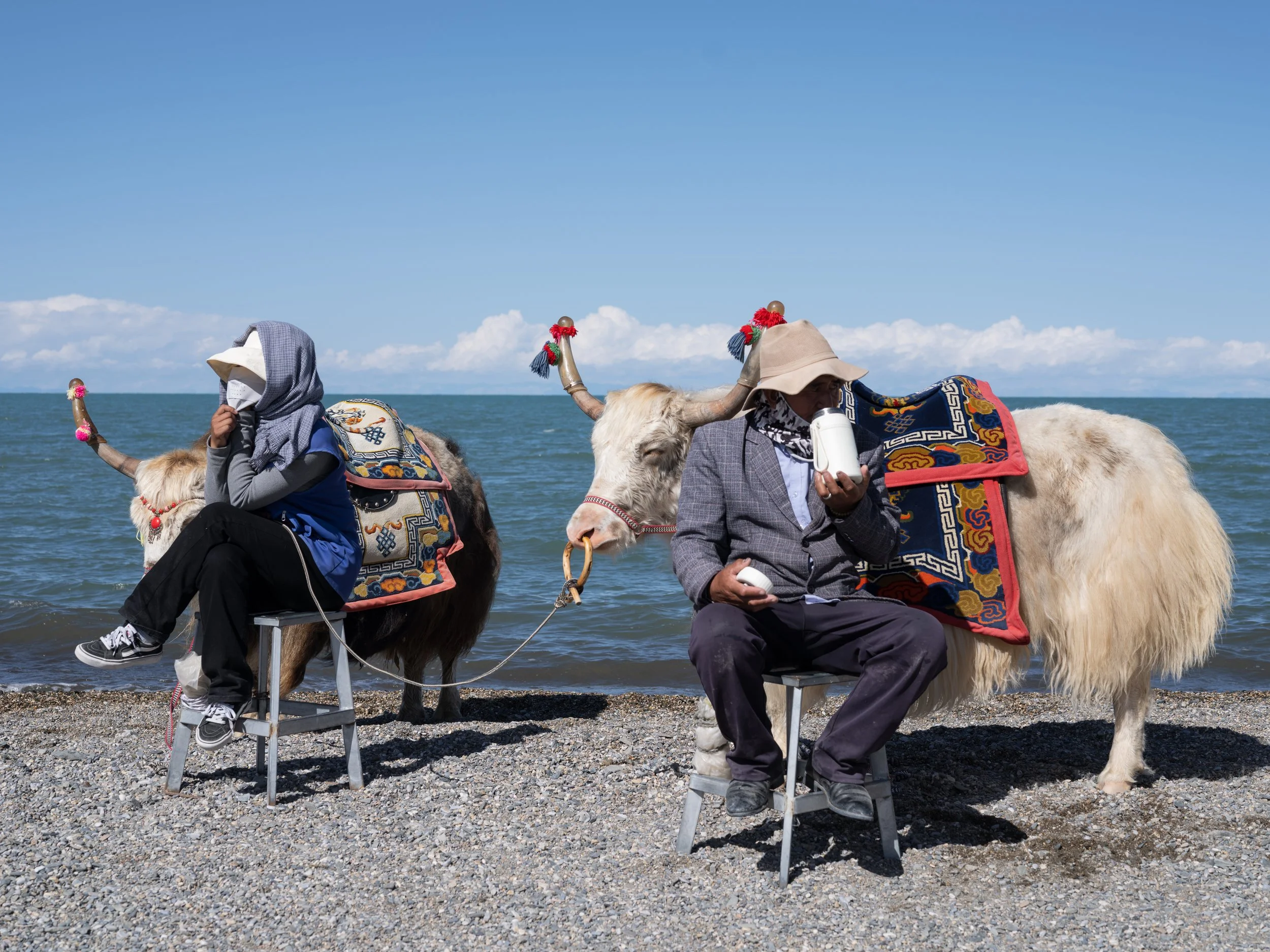
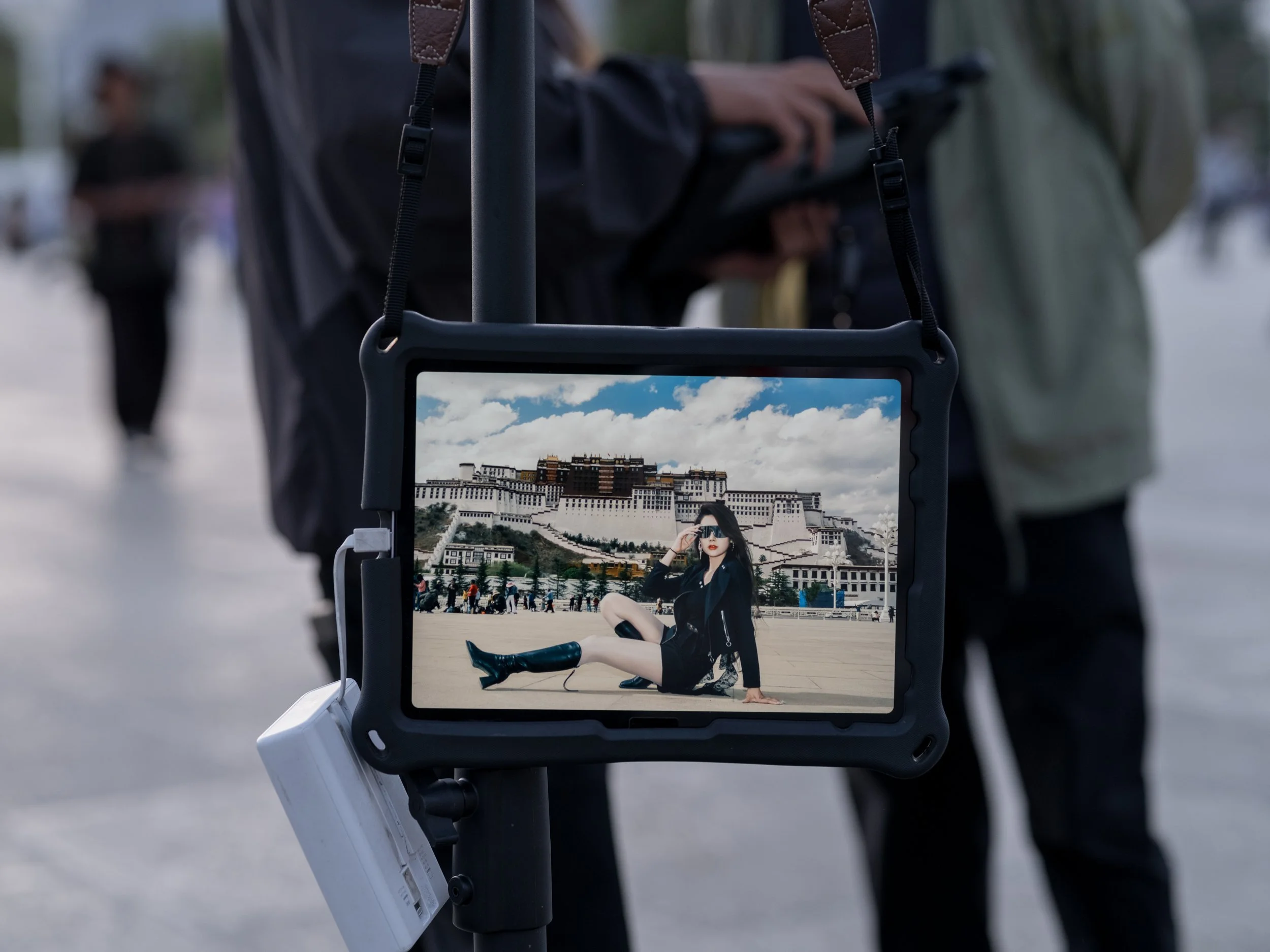
A new industry has emerged. Photographers on site offer packages including group shots, couple shoots, automatically filtered and processed. What appears effortless is a highly standardized system refined through hundreds of daily repetitions. Hundreds of images are uploaded daily, producing a loop of collective choreography.
Everyone becomes both subject and producer, participating in a system where gestures are formatted, circulated online, and fed back into physical performance.
The logic of extraction extends from the ground into the production of images, circulating upward into the cloud and beyond.
3
FREEDOM BECOMES A DESERT
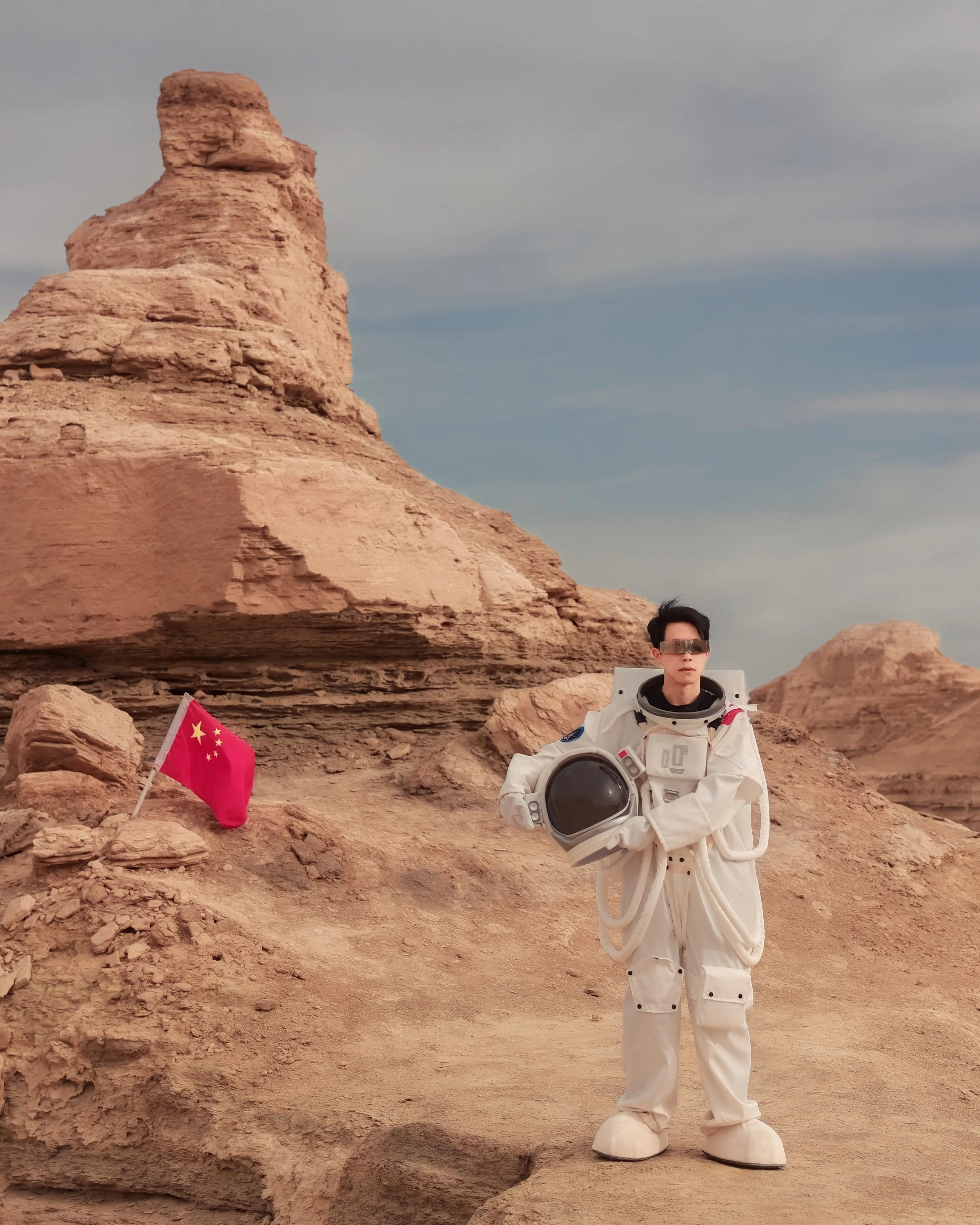
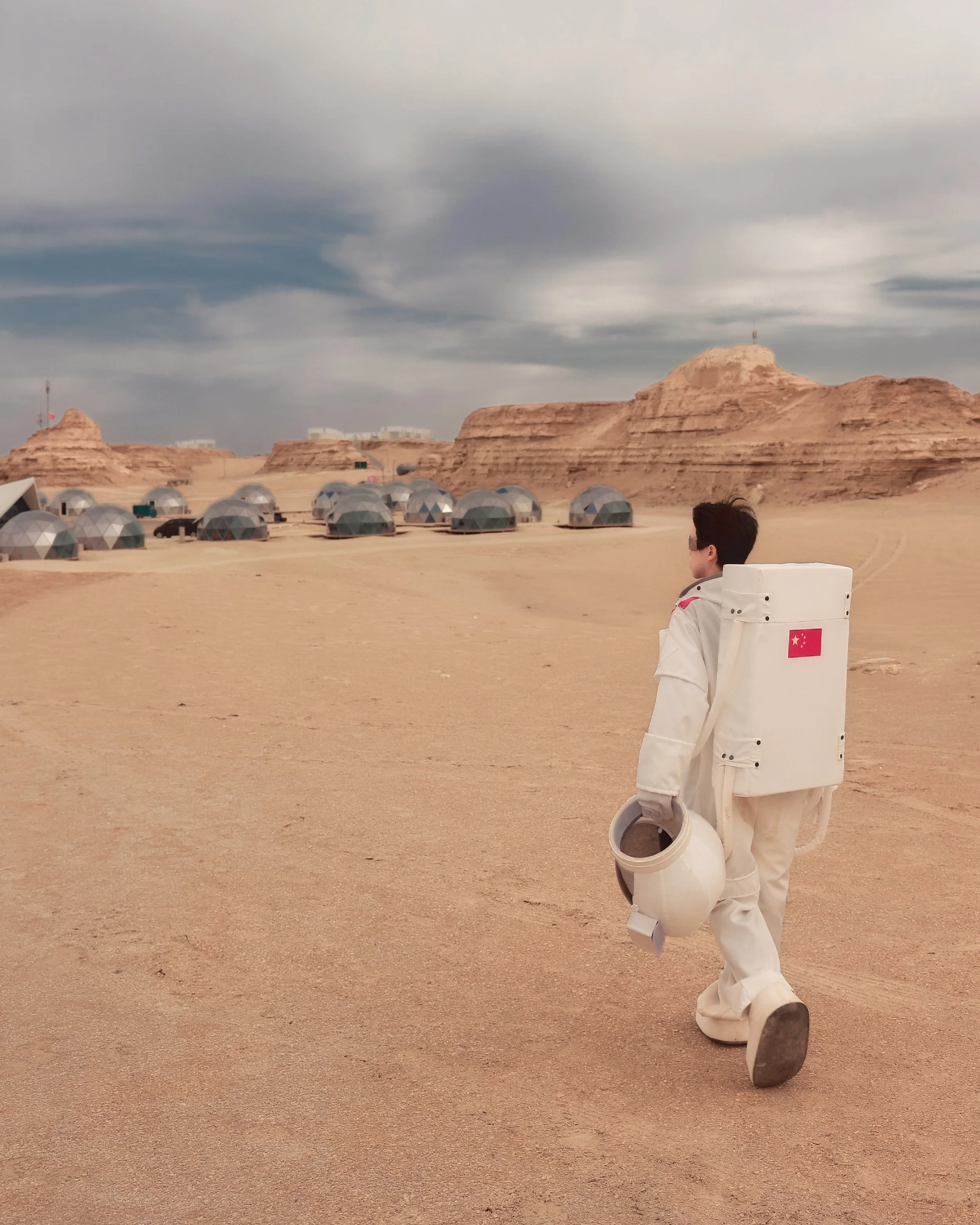
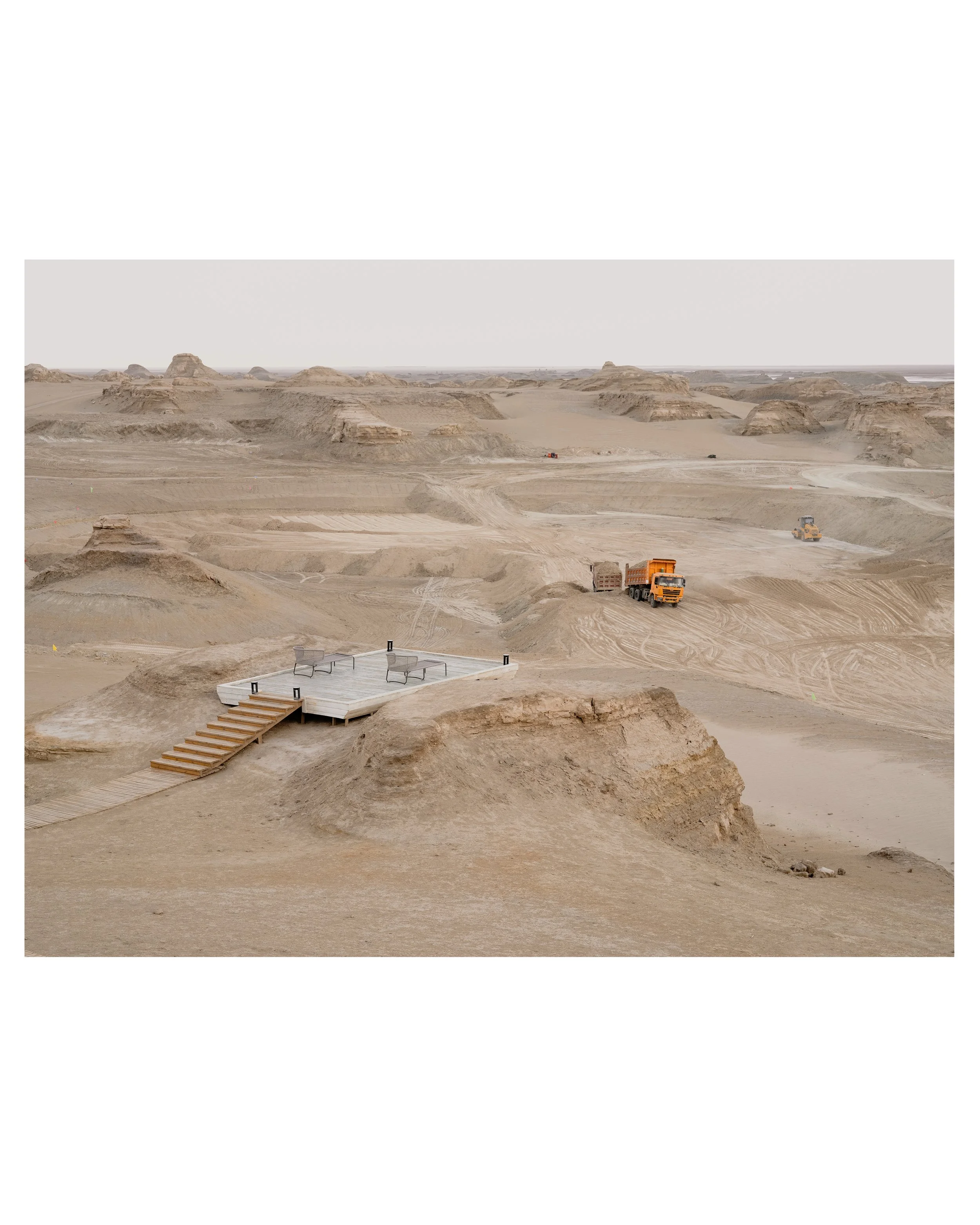
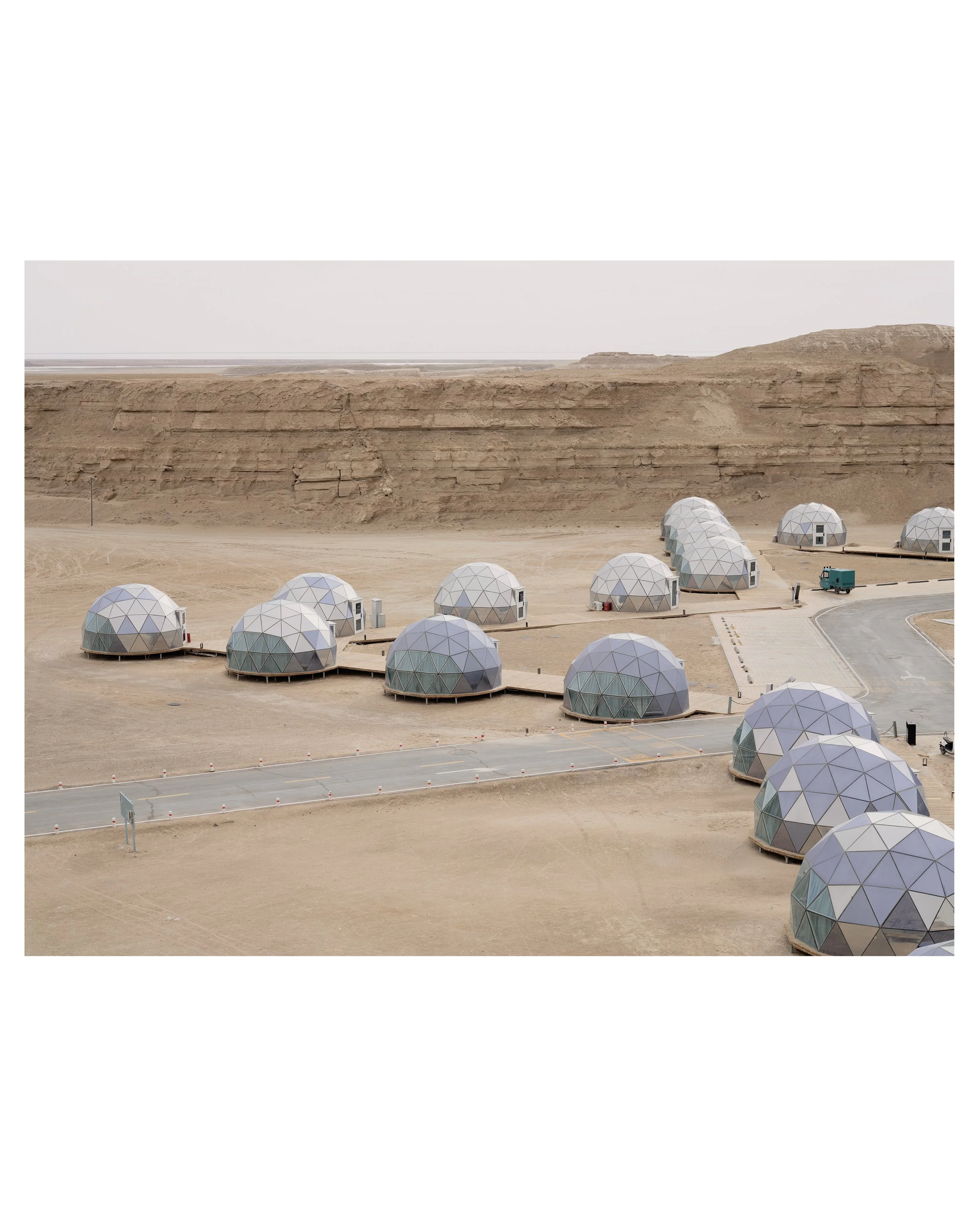
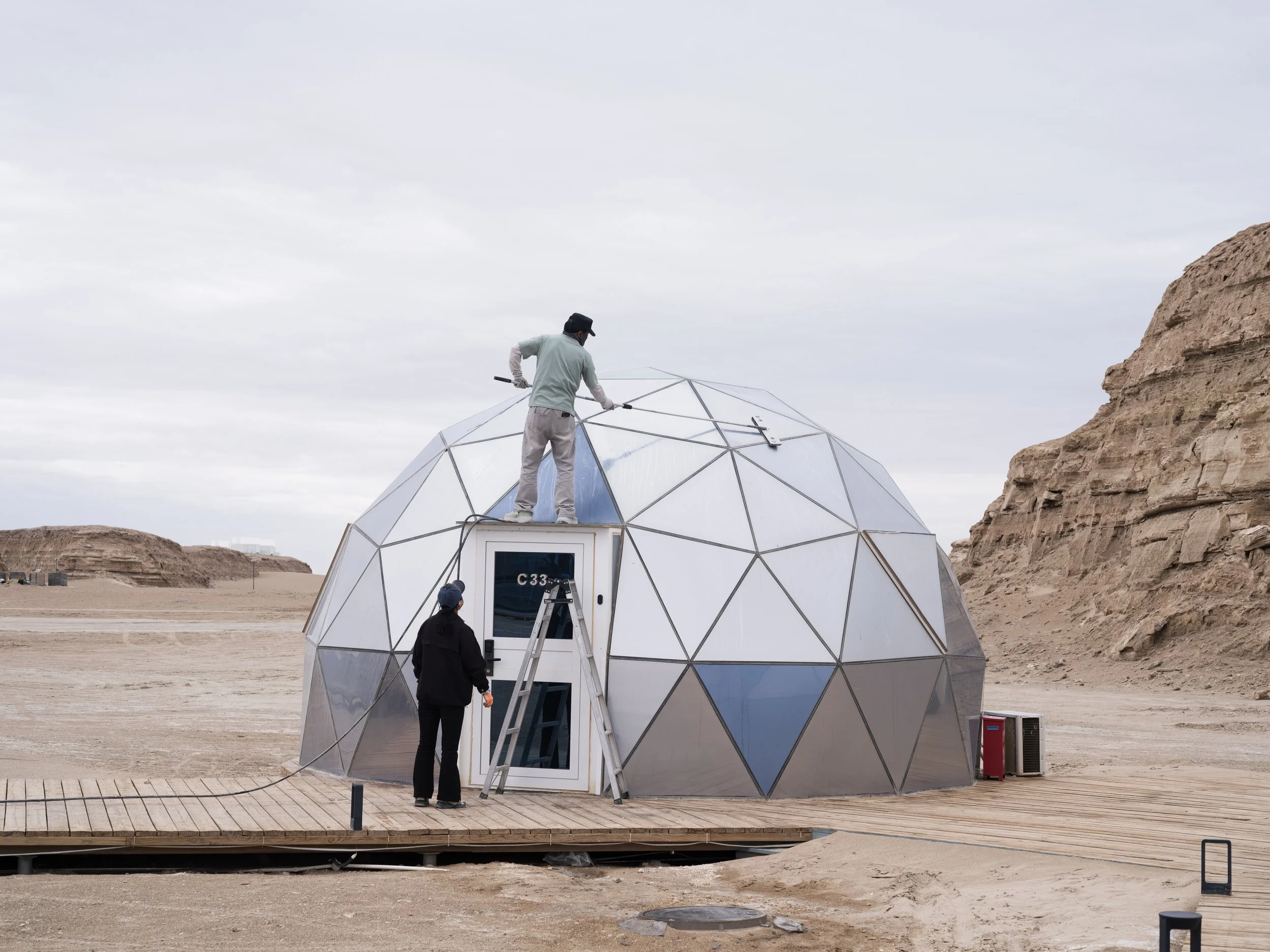
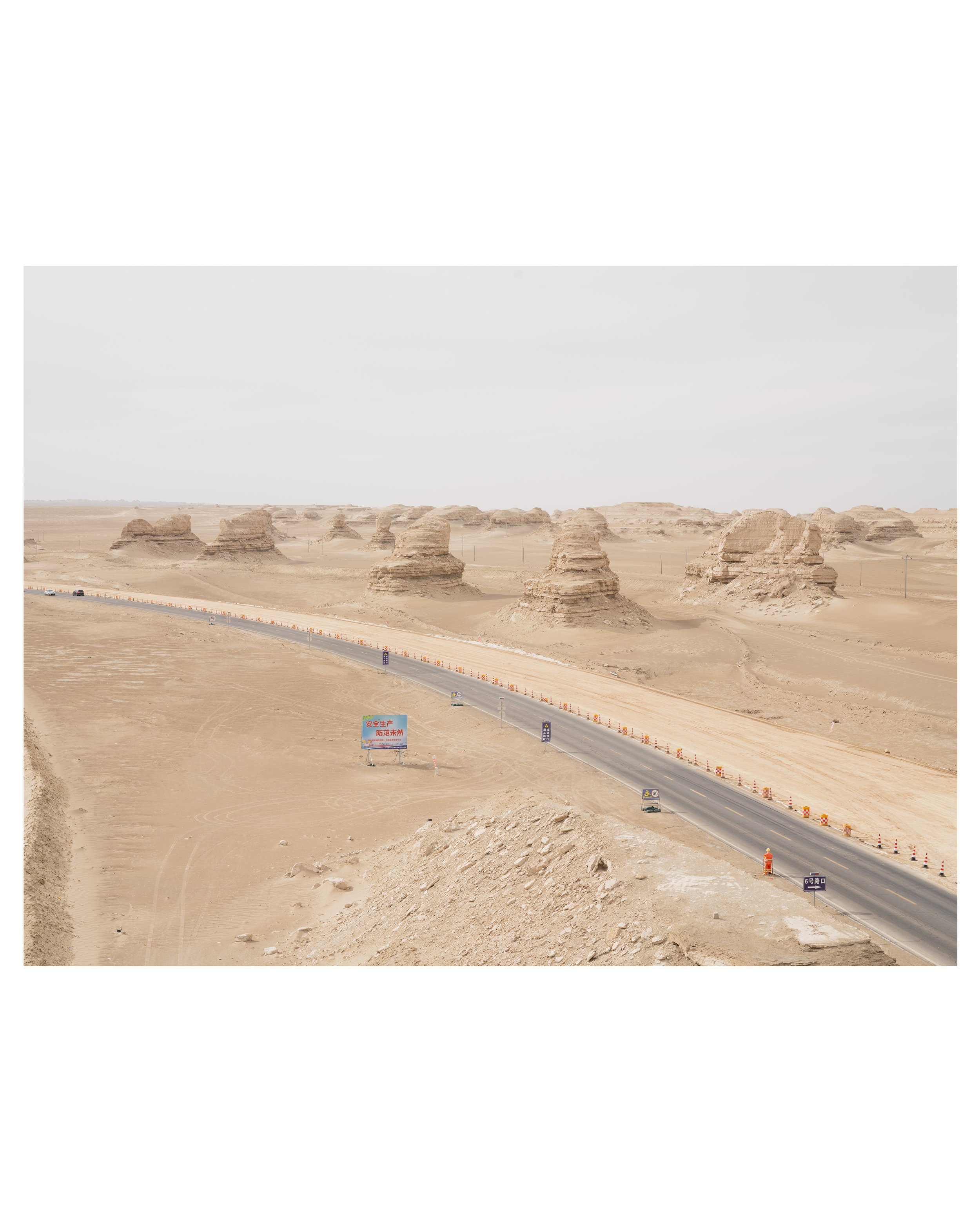
Near Jiuquan Spaceport, a resort called “Lonely Space” markets itself as an escape from the city and the pressures of urban life. Scattered across the desert, futuristic geodesic domes evoke a Martian outpost. At the edge of the resort, excavators clear untouched desert for the next phase of expansion.
The word “Lonely” finds itself in hotels and lifestyle magazines not as the absence of human connection, but as promise of freedom and retreat. In a country where most people live in cities, solitude has become a manufactured luxury. The desire to escape the world had itself become infrastructure.
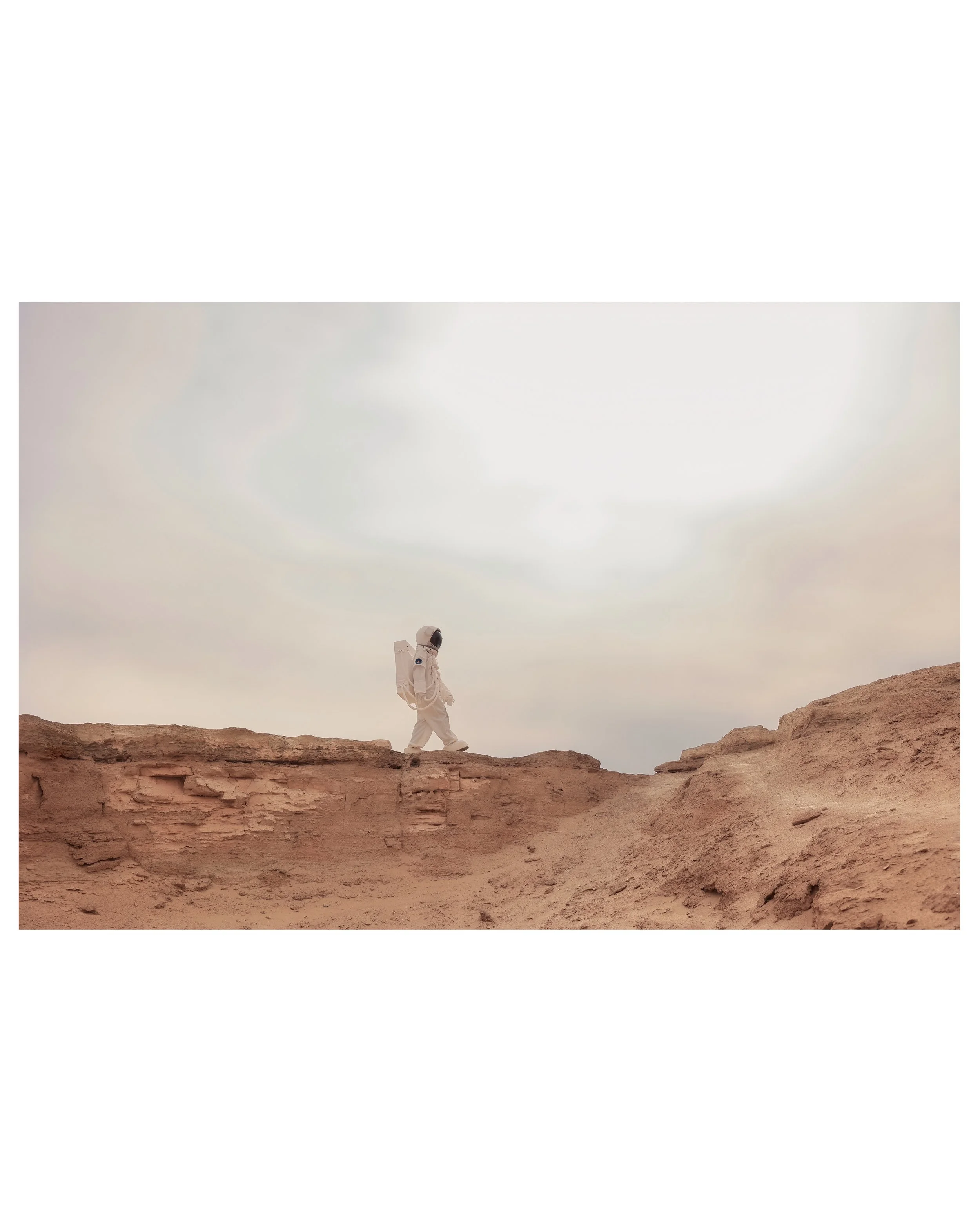
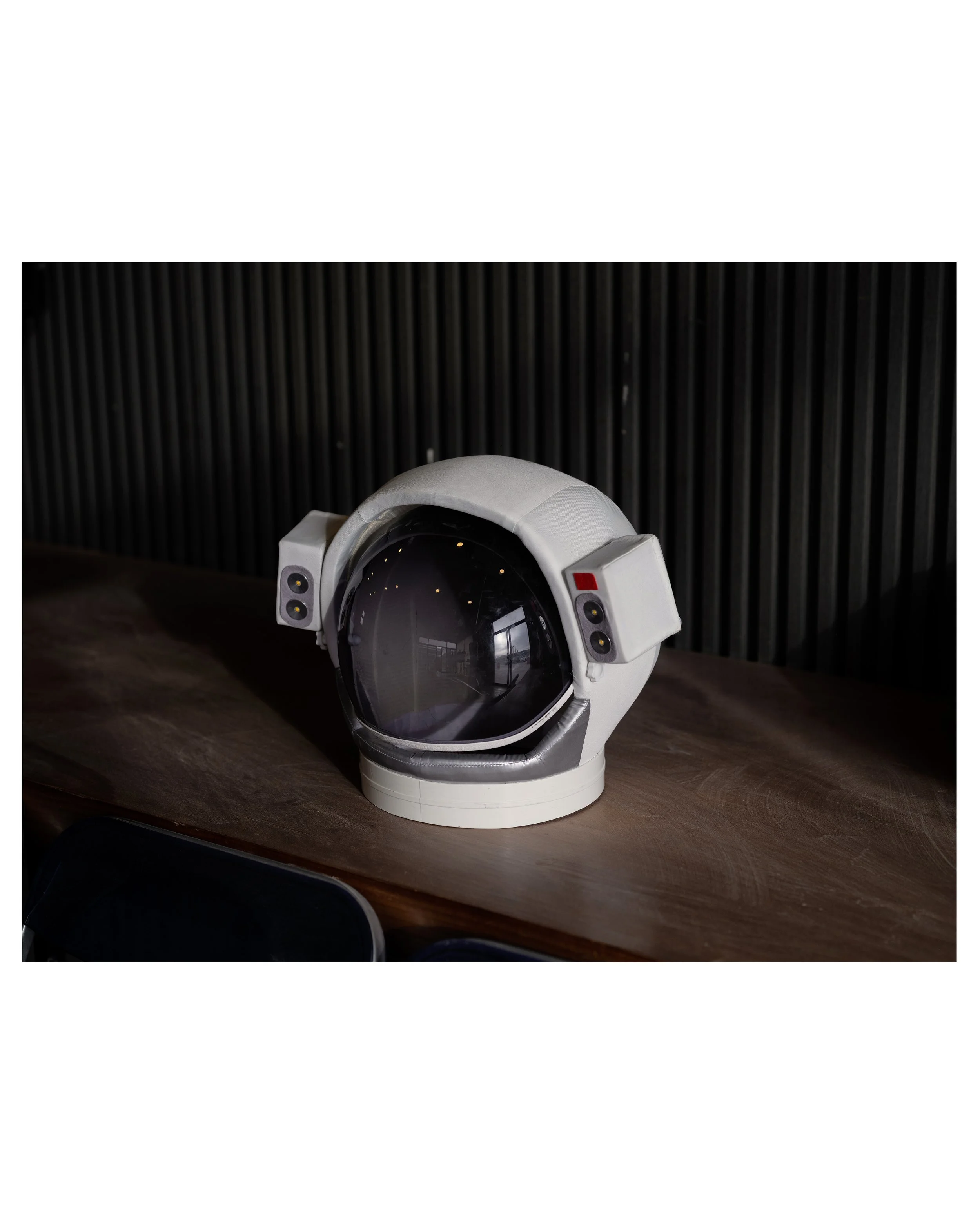
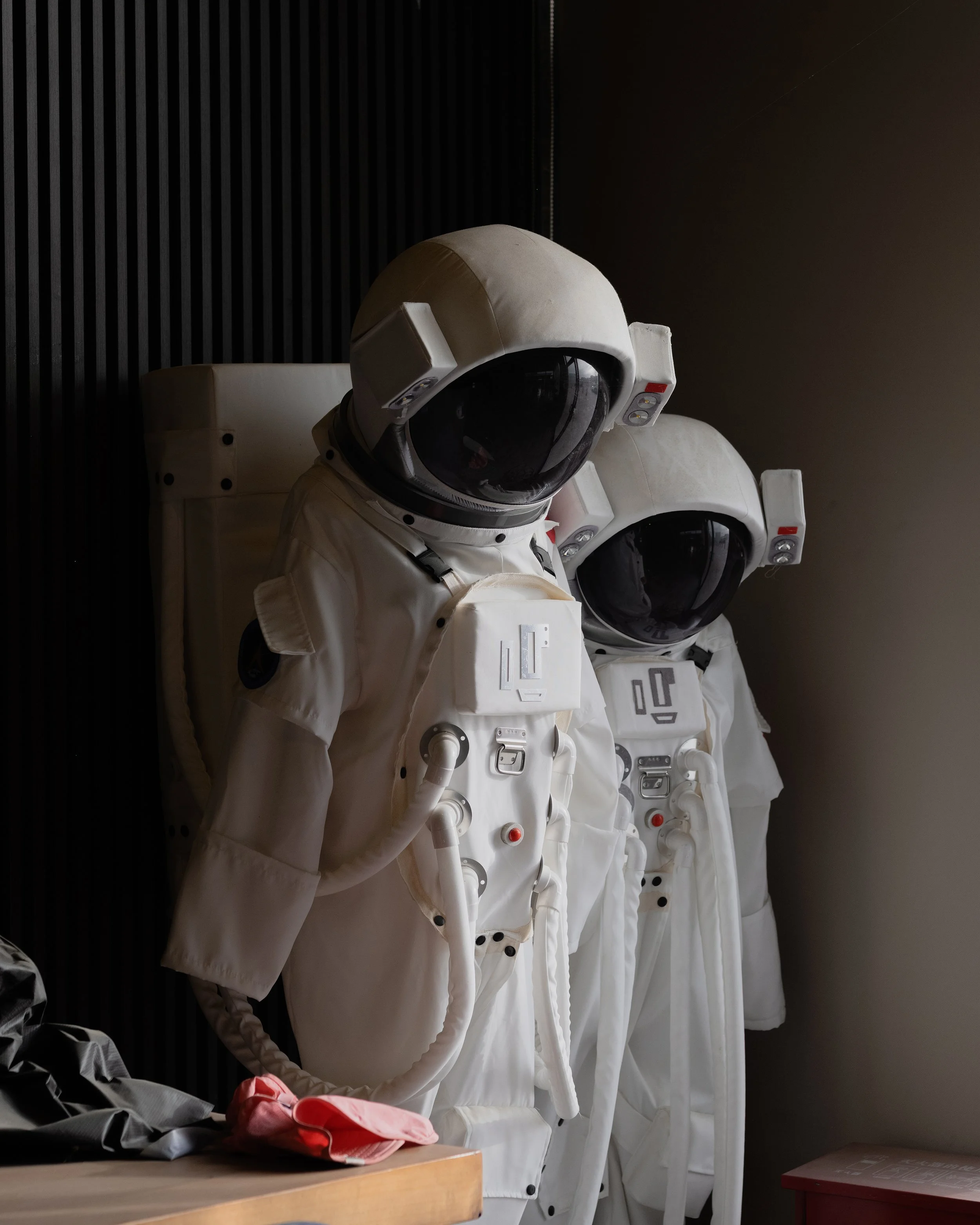
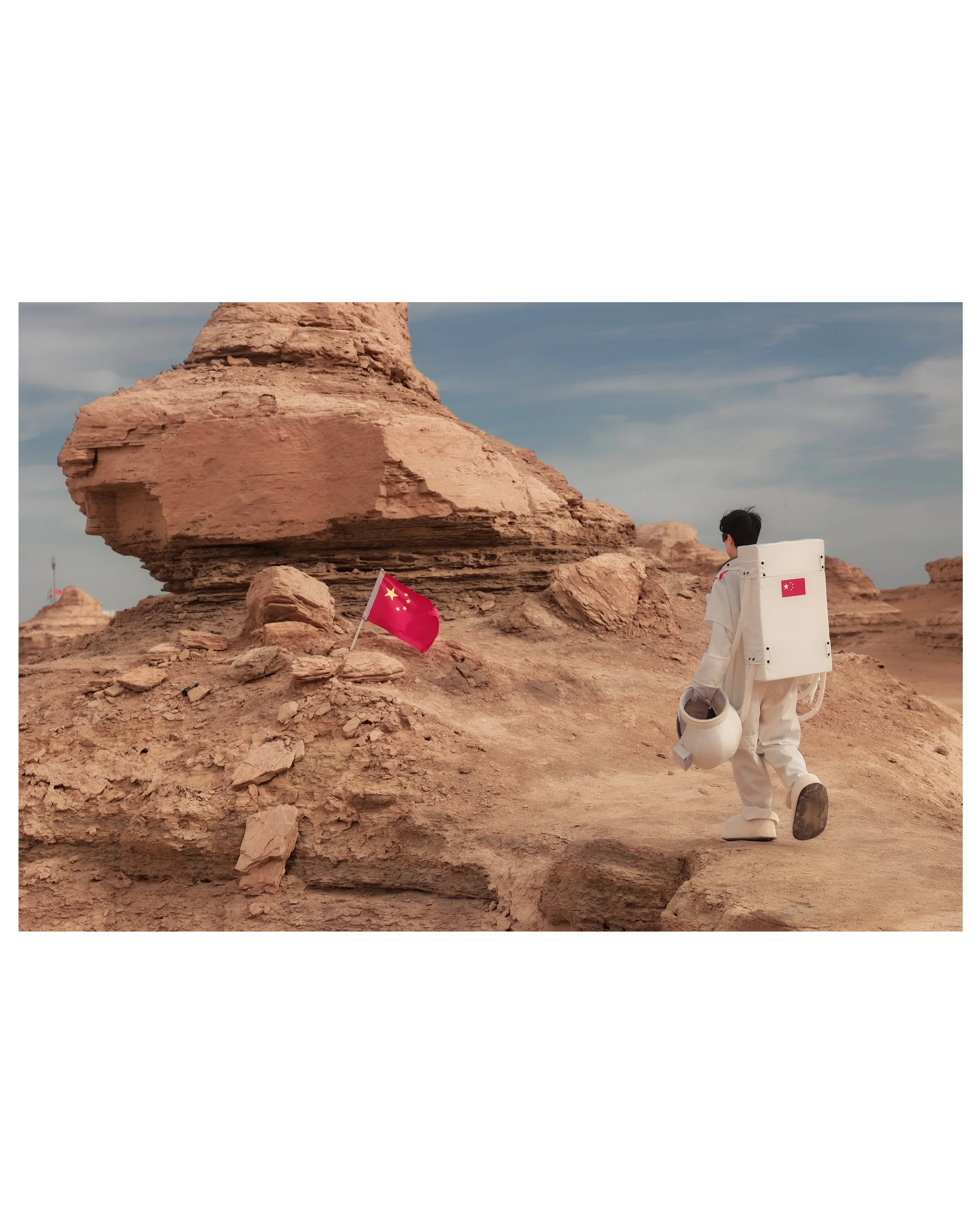
And yet, solitude here is not simply experienced, but performed for the camera. Freedom itself acquires a visual language, made to be photographed, circulated, and desired. Lost in the Martian landscape dressed as a Chinese astronaut, I momentarily inhabit another reality. The image gives form to an imagined freedom, where solitude and escape must be made visible to exist.
1
在中國的旅遊景點,數百人排隊,重複同樣的姿勢,拍攝同樣的照片。程式化的動作在景觀中不斷重現,在攝影師的指導下,並受到演算法美學的塑造,每一張影像都在網路中不斷被複製與流通。攝影成為一種舞台化的實踐,自我透過姿態、動作與重複被建構——由日益成長的影像產業所引導與優化,面向無形的觀看系統。
曾經指向神聖的虔誠,如今轉化為為鏡頭與演算法反覆上演的表演, 一種世俗的虔誠。
2
自由即荒蕪
「孤獨」二字出現在度假村與雜誌營銷中,不再意味著人際連結的匱乏,而是一種自由、抽離與退隱的承諾。在這個多數人聚居於城市的國家,獨處成了一種商品化的奢侈品。逃離世界的渴望,也變成了這個世界運轉的一部分。
距離酒泉衛星發射中心不遠的戈壁灘上,有一座名為「孤獨星際」的度假村,主題為逃離城市與都市生活的壓力。散落於荒漠之中的未來感圓頂建築,宛如火星上的前哨站。園區邊緣,挖土機正在開闢未經人跡的沙地,為下一階段擴建做準備。
然而,這裡的孤獨並非僅僅被體驗,更是為了鏡頭而展演。自由本身生長出了一套視覺語彙,供人拍攝、流傳與渴望。身穿太空人服,迷失在這片火星般的荒漠,我短暫地棲居於另一種現實。影像賦予了想像中的自由以具體形態——在這裡,獨處與逃離唯有變得可見,才能真正存在。